




COP31 in Antalya ran longer than any COP before it and ended without consensus, after the EU, the UK and others rejected the proposed Antalya Pact for leaving out fossil fuels. Much of the commentary since has focused on that deadlock. Far less attention has gone to what happened to health and gender over the same two weeks, as both were cut back with each new draft, one year after Belém produced the first international adaptation plan for health. This blog tracks those cuts, sets them against the evidence on heat and pregnancy, and looks at the twelve months before COP32 in Addis Ababa as the period in which that ground can be won back.
Health and gender took decades to enter the climate texts. The first gender decision came at COP7 in Marrakech in 2001; the 2015 Paris Agreement’s preamble refers to the right to health, and in 2021 Glasgow added the COP26 Health Programme. In 2025, Brazil launched the Belém Health Action Plan, the first international climate adaptation plan for health and aligned with WHO’s Global Action Plan on Climate Change and Health 2025–2028, alongside a new Belém Gender Action Plan for 2026–2034. The Health Action Plan is voluntary, so it relies onthe countries and partners that choose to implement it, and on the negotiated texts to carry it forward.
Across the 16 November draft, the 19 November draft and the Antalya Pact of 22 November, the language that matters most for health and gender was steadily reduced. The first draft had a long paragraph on health covering heat stress, maternal health and nutrition, and its paragraph 107 called for gender-responsive action and the leadership of women and girls. By 19 November, health was down to one short paragraph, “gender” and “girls” had gone, and the $120bn adaptation finance target (the main source of money for climate-resilient health services, water and sanitation, which women and girls rely on most) had been dropped. The Antalya Pact gave health a single sentence (para 23) and referred to gender only through a cross-reference to another decision (para 85). It was proposed and never adopted.
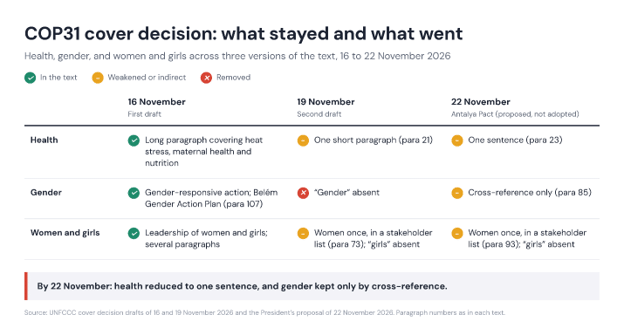
Figure 1: Draft texts compared with the Antalya Pact
The shrinking text sits against a growing body of evidence. A 2025 Nature Medicine meta-analysis found that the odds of preterm birth rise by 4% for every 1°C of heat exposure and by 26% during heatwaves, and an earlier BMJ review found stillbirths rising 1.05-fold per 1°C. UN Climate Change Executive Secretary Simon Stiell has described pregnancy and birth as “a new fault line in the global climate crisis”.
According to the International Confederation of Midwives, 80% of WHO member states mention heat in their national health adaptation plans, while only 2% address maternal, newborn and child health. At least 1.5 billion women and girls live in climate hotspots, And our health systems are not yet set up to respond to this.
The finance question that matters here is how much reaches health, and the answer is very little. The International Confederation of Midwives puts health’s share of adaptation spending at under 5%, and other estimates are lower still. A 2025 Adelphi analysis found multilateral climate funds directing about 2% of adaptation finance and 0.5% of all climate finance to health since 2004, and its executive director has put health at about 1% of overall climate finance. The trend is also moving the wrong way. On Health Day in Antalya, Brazil’s health minister Alexandre Padilha said international public commitments for health adaptation fell from about $3.2 billion in 2022 to $2.2 billion in 2024.
The Antalya Pact proposed tripling adaptation finance but left the baseline to a report due before Addis Ababa. If that baseline has no health line, adaptation finance could triple while health’s share stays flat or keeps falling, so the report should break health out.
Trust in the process rests on keeping commitments. Belém produced a Health Action Plan and a Gender Action Plan. A year on, the Antalya Pact proposed a single sentence on health and a cross-reference on gender, which was rejected and not adopted after negotiators failed to reach consensus on climate commitment. Each diluted commitment makes the next one harder to trust, so rebuilding trust depends more on delivering and reporting on the Belém health and gender commitments than on making new ones.
Health and gender do not travel through the negotiating room in the same way. In Belém, the Holy See, Argentina, Paraguay and Iran wanted gender defined as “biological sex”, and the row nearly derailed the Gender Action Plan. Health has proved easier to include: advocates at Belém reported that the specificity of sexual and reproductive health was watered down to plain “health”, and the first Antalya draft carried a standalone paragraph on climate risks to health. In Antalya the fight moved from the word itself to its qualifiers. According to reports from the negotiations, Paraguay, the Holy See and Russia sought to replace “gender-responsive” with “gender-sensitive” or “gender considerations”, and Parties disagreed on whether to “welcome” or “take note” of the first year of the Belém Gender Action Plan. The talks ended after hours of consultations with brief conclusions and no new commitments. Because decisions need consensus. One objection can strip language out, and a few words can use up days of negotiating time that the text cannot spare.
And so health and gender language needs the backing of a broad group of Member States, built well before the final week.
A few practical steps stand out:
1. Keep engaging Member States between COPs, through briefings at the Bonn sessions, the World Health Assembly, the UN General Assembly and regional meetings.
2. Build coalitions of countries across regions that have supported health and gender language in the past.
3. Use the World Health Assembly in May 2027 to agree on a common position on health adaptation finance, and include health officials in COP delegations.
4. Settle contested terms before the COP. Test wording such as “gender-responsive” and “welcome” versus “take note” at the Bonn sessions, the World Health Assembly, the UN General Assembly and regional meetings, so the final days of a COP go to substance rather than terminology.
5. Shape the baseline report on adaptation finance that the Standing Committee on Finance will produce before Addis Ababa, so that it shows how much finance reaches health systems, women and girls.
6. Support women’s leadership, with targets for women among heads of delegation and lead negotiators on finance and adaptation. Women made up 53.2% of Party delegates at SB 62, yet an earlier UNFCCC analysis found men took 74% of plenary speaking time.
7. Agree accountability measures, including annual reporting on the Belém Gender Action Plan, gender-disaggregated tracking of climate finance, health indicators under the Global Goal on Adaptation, and published speaking-time data for every session.
Progress in this process rarely comes from a single summit; it more often comes from people returning year after year with evidence, relationships, and clear asks. The year between Antalya and Addis Ababa is the time to do that for health and gender.
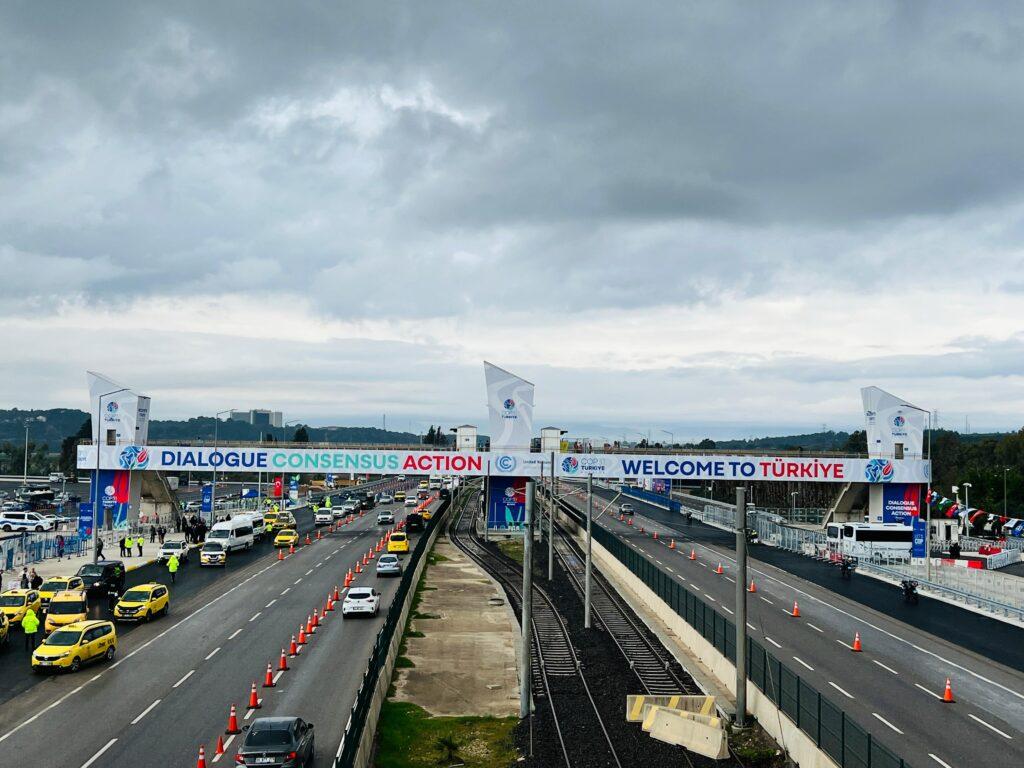
Figure 2: A view of the highway leading to the COP31 Venue in Antalya, Türkiye. (Picture © Herspace/GHC/MRG)