


Breastfeeding is a proven, cost-effective public health intervention essential for infant survival, nutrition, and development. The World Health Organization (WHO) recommends exclusive breastfeeding (EBF) for the first six months of life, followed by continued breastfeeding alongside complementary foods for up to two years or more. Despite clear evidence of its benefits—such as reduced infant infections, improved cognitive outcomes, and maternal health advantages—Indonesia faces significant challenges in achieving optimal breastfeeding rates. As the world observes World Breastfeeding Day on 1st August, the disconnect between policy commitments and on-the-ground realities in our country demands urgent attention.
Indonesia’s exclusive breastfeeding rates remain below both national and global targets. The 2018 Basic Health Research survey showed only 37.3% of infants aged 0–6 months were exclusively breastfed, falling short of the national goal of 50%. More recent data even reveal a troubling decline: in 2021, just 48.6% of babies were breastfed within the first hour after birth (down from 58.2% in 2018), and exclusive breastfeeding dropped to 52.5% from 64.5%. These figures highlight persistent gaps in breastfeeding support despite Indonesia’s commitment to improving child health.
A number of obstacles
Several factors contribute to these suboptimal rates. Aggressive marketing of formula milk in previous decades has shaped public perceptions, especially in urban areas where formula feeding is often seen as modern and prestigious. Although Indonesia has ratified the International Code of Marketing of Breast-milk Substitutes, enforcement remains weak, with ongoing violations such as formula promotions in healthcare facilities and free sample distributions.
Cultural beliefs also play a role. In some communities, infants are given water alongside breast milk, exposing them to waterborne diseases, particularly where clean water access is limited. Healthcare support for breastfeeding is often inadequate; many midwives and health workers lack sufficient training in lactation management. Additionally, the traditional role of birth attendants in breastfeeding support has diminished, especially in urban settings.
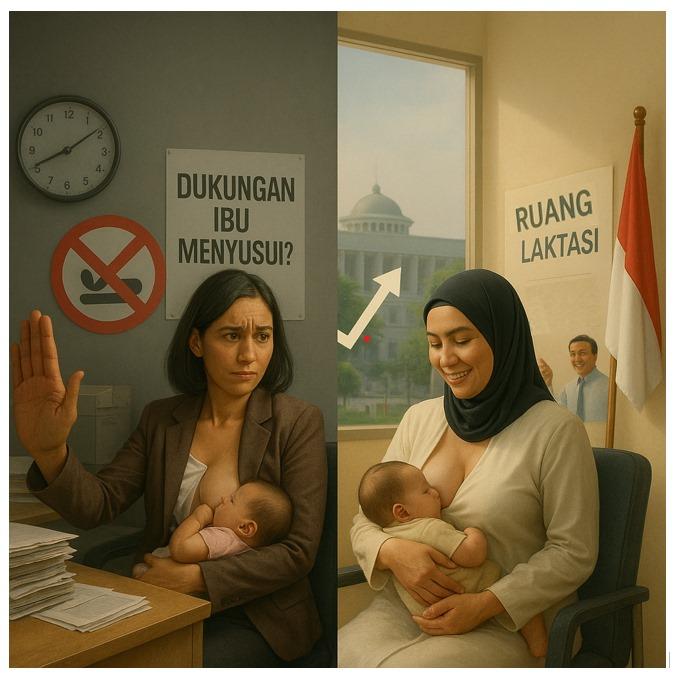
Economic and workplace factors further hinder breastfeeding. Indonesian law mandates only three months of paid maternity leave, which is insufficient to support exclusive breastfeeding for six months. Many workplaces lack lactation facilities, making it difficult for working mothers to continue breastfeeding after returning to work. These systemic barriers demonstrate that low breastfeeding rates are not due to lack of knowledge alone but reflect broader structural challenges requiring coordinated policy responses.
Health related and economic consequences
The economic costs of inadequate breastfeeding are substantial. Research indicates that suboptimal breastfeeding in Indonesia contributes to an estimated $1.3 billion annual burden on the national health system due to preventable childhood illnesses. Another study found that failure to exclusively breastfeed results in approximately $118 million in economic losses yearly, including healthcare costs and lost productivity linked to impaired cognitive development in children.
The broader consequences extend beyond health. Reduced maternal productivity, increased healthcare expenses, and diminished cognitive outcomes in children collectively threaten Indonesia’s future workforce competitiveness and national development. These findings underscore the urgency of strengthening breastfeeding policies and support systems.
Current policies & way forward to overcome the gaps
Despite the abovementioned obstacles, Indonesia has shown policy commitment. The recently enacted Health Law No. 17/2023 legally mandates exclusive breastfeeding for the first six months, aligning with WHO recommendations and establishing a national standard. Programmatically, the government’s National Nutrition Awareness Movement (GERMAS) promotes breastfeeding through community education, healthcare provider training, and workplace lactation support.
But it’s clear these don’t suffice. With that in mind, key policy recommendations to advance Indonesia’s breastfeeding agenda include:
1. Extend Paid Maternity Leave: Increasing maternity leave from three to six months would better support exclusive breastfeeding, reduce infant mortality and illness, and improve female workforce retention and productivity.
2. Enhance Workplace Lactation Support: Providing lactation rooms and flexible work arrangements can help mothers maintain breastfeeding, reduce work interruptions, and lower infant infections, thereby decreasing healthcare costs.
3. Expand Community-Based Breastfeeding Education: Strengthening rural outreach through training community health workers, engaging cultural and religious leaders, and leveraging mobile health technologies can shift social norms and improve breastfeeding rates, reducing stunting and fostering long-term economic benefits.
4. Implement a National Breastfeeding Monitoring System: Establishing comprehensive, publicly accessible data on breastfeeding practices and policy compliance will enable evidence-based decision-making and more effective interventions.
In conclusion, breastfeeding is a vital public health strategy with profound benefits for infants, mothers, and society. While Indonesia has made important legislative and programmatic strides, significant gaps remain in maternity leave duration, workplace support, community education, and monitoring. Addressing these challenges through targeted policy enhancements will improve breastfeeding rates, reduce preventable childhood illnesses, and contribute to sustainable national development. In other words, strengthening breastfeeding support is not only a health imperative but also an economic investment in Indonesia’s future.