

The theme for World Mental Health Day 2026, “Lived Experiences Heard: Real Voices, Real Change”, is particularly relevant and timely for India. As mental health receives increasing attention in public health, policy and research, the theme invites us to look beyond the availability of services and ask whether the experiences of people living with mental health conditions are shaping how those services are designed, delivered and evaluated.
In recent years, India has made important progress towards a rights-based approach to mental health. The Mental Healthcare Act, 2017 recognises the rights of persons with mental illness, including the right to live in and be part of society, and provides a framework for community-based mental health care. Yet translating these principles into people’s everyday lives remains a challenge, with continuing stigma and barriers to seeking care, as well as gaps in rehabilitation, community support and reintegration.
The 2026 theme therefore goes beyond simply listening to people’s stories. It calls for lived experience to be recognised as valuable knowledge and for people to have a meaningful voice in shaping the mental health systems that affect their lives.
From being heard to having a voice
People who have experienced mental health conditions can offer insights that may not be fully captured through clinical assessments, service statistics or policy documents. Their experiences provide first-hand knowledge of seeking help, navigating services, experiencing stigma, living with treatment and attempting to rebuild their lives. This perspective can help identify practical challenges and gaps that may not be immediately apparent to those designing or delivering services.
There is growing recognition of the value of involving people with lived experience in mental health research and service development. A recent experience-based co-design initiative in Chennai, for example, brought young service users and providers together to identify practical barriers to engagement with mental health services, including appointment timings, continuity of care, treatment information and aspects of the service environment. Such approaches recognise the knowledge that comes from lived experience of navigating mental health services.
Deinstitutionalisation: beyond discharge
The theme is closely connected to the WHO’s emphasis on deinstitutionalisation and community-based mental health care. Deinstitutionalisation is not simply about moving people out of psychiatric hospitals; it requires appropriate community-based services and social supports that enable people to live with dignity, autonomy and meaningful connections within their communities.
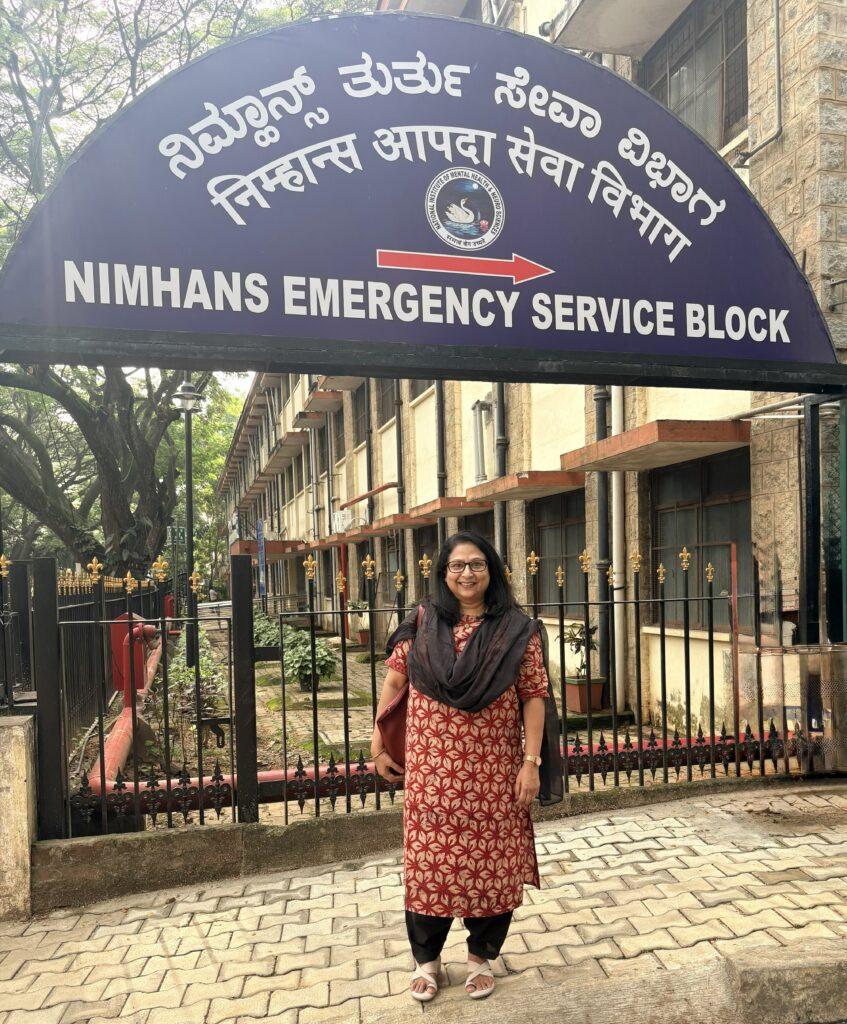
A recent report from Kerala highlighted that more than 175 people who had recovered sufficiently to be discharged from psychiatric institutions remained in government mental health centres, with the absence of family or appropriate community-based support among the reasons cited. During my own training at the National Institute of Mental Health and Neuro Sciences (NIMHANS), Bangalore, I came across a number of long-stay patients who had spent years within the institution, some of whom had no family or other support system to return to. Similar challenges have also been documented in research on long-stay patients at NIMHANS and other psychiatric institutions in India.
These experiences point to a gap between treatment and rehabilitation. A person may be clinically ready for discharge and still require accommodation, family or community support and rehabilitation to live meaningfully. Examples from Bengaluru illustrate how community-based rehabilitation can provide an alternative to prolonged institutional care. Emergency Care and Rehabilitation Centres have provided treatment and rehabilitation to people experiencing homelessness and mental illness, with some subsequently rebuilding their lives and returning to employment. Similar evidence comes from a supported housing initiative in South India, where long-stay residents moved from institutional care to community-based living and showed improvements in mobility, participation and quality of life. Together, these examples illustrate the importance of extending mental health care beyond treatment to the practical and social support people need to rebuild their lives in the community.
Listening to lived experience in India
The Indian context also offers examples of how people with lived experience can contribute directly to changing perceptions of mental health. One such example is the Human Library initiative in Karnataka, in which people with lived experience of mental illness share their stories directly with members of the community. During the pilot, 236 people with lived experience became “books”, sharing their experiences with more than 2,200 “readers”. The initiative aimed to challenge stigma, improve mental health literacy and promote empathy.
Such initiatives create opportunities for people with lived experience to speak for themselves and contribute to changing how mental health is understood.
From listening to meaningful participation
Lived experience also has important implications for mental health research and service development. People with lived experience can contribute not only as participants who provide data, but also to identifying research priorities, shaping questions, interpreting findings and improving services. There is growing recognition of this role in mental health research in India.
But meaningful participation requires more than inviting people to share their stories. It means creating opportunities for them to contribute to decisions and ensuring that there is transparency about how their contributions have shaped what happens next. The WHO Framework for Meaningful Engagement of people living with NCDs, and mental health and neurological conditions provides guidance for involving people with lived experience in shaping policies, programmes and services. It also means recognising that lived experience is diverse. No single person can speak for everyone, and meaningful engagement requires space for different experiences and perspectives.
Recognising lived experience as expertise does not mean replacing scientific or professional knowledge. Clinical expertise, research evidence and lived experience can complement one another in developing mental health systems that are more responsive to people’s actual needs.
Real voices, real change
India has taken important steps towards recognising mental health as a matter of rights, dignity and community inclusion. The next step is to ensure that people whose lives are most affected by mental health policies and services are not simply recipients of care or subjects of research, but participants in shaping them.
“Lived Experiences Heard” is therefore not simply about giving people a voice. It is about recognising that voice as knowledge and creating opportunities for it to influence decisions.
For India, that means moving from listening to lived experiences towards acting on them, and from designing mental health systems for people towards building them with people.
That is where real voices can lead to real change.