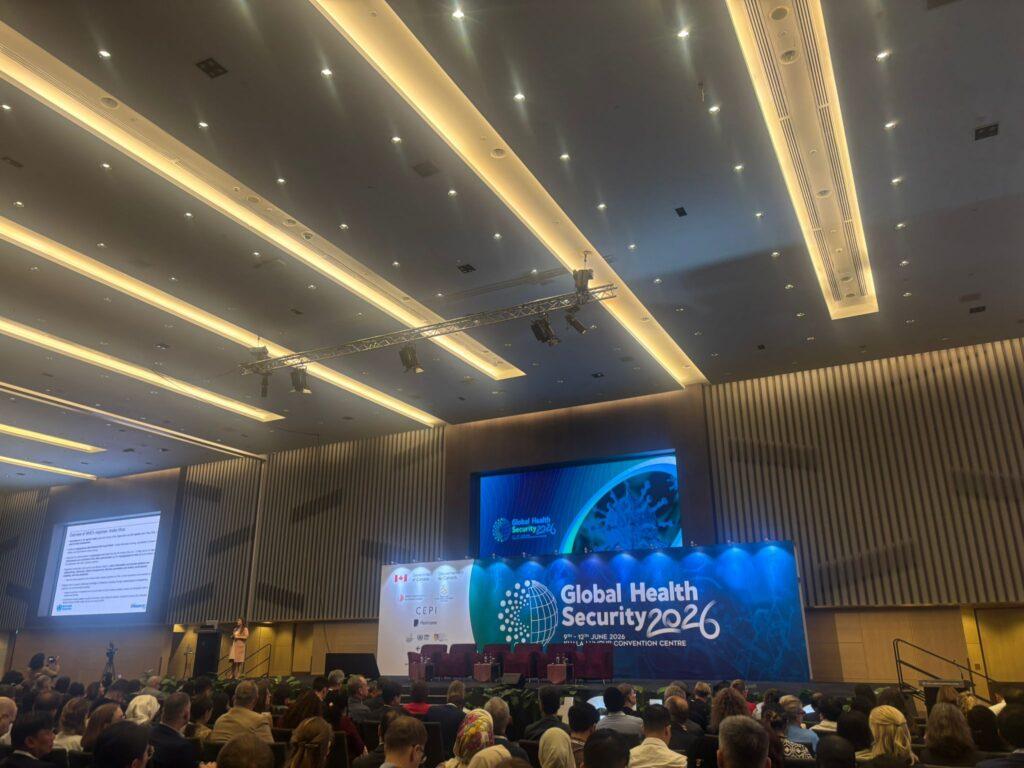


The 4th Global Health Security Conference (GHS2026) convened in Kuala Lumpur Malaysia, against a backdrop of increasing concerns about global pandemic preparedness, sharpened by the recent Ebola outbreak and escalating climate-related health emergencies. At a moment when trust in public health institutions is under strain and the risks of future crises continue to grow, the conference brought together 1300 leaders, researchers, policymakers, and practitioners from around the world to exchange evidence and identify collective solutions to improve global health security.
Optimism in plenary, realism in break-out rooms
Let’s start with a general observation: across discussions, we noticed a striking disconnect between the optimism projected in plenary sessions and the more sober assessments voiced in smaller break-out groups. While high-level panels often framed global health security as steadily improving – frequently citing the response to the ongoing Ebola outbreak as evidence of strengthened coordination and capacity response – these narratives largely downplayed mounting systemic pressures, including shrinking international solidarity, global governance unfit for purpose, and growing doubts about (the future of) multilateral cooperation. The motto in the plenaries seemed to be: “Keep calm and carry on.”
In break-out sessions, however, conversations were considerably more critical, focusing on the structural shortcomings and power imbalances that continue to constrain true cooperation an partnerships, setting the stage for a deeper discussion on equity in global health security. Or what remains of it.
Equity in global health security: Pathogen Access and Benefit-Sharing
Equity remained a central and unresolved fault line throughout the conference, particularly in debates on the WHO Pandemic Agreement and broader global governance challenges. Discussions around the Pathogen Access and Benefit-Sharing (PABS) mechanism reflected cautious, often pessimistic expectations – with for example Laurent Muschel, Director of Health Emergency Preparedness and Response Authority (HERA), noting that he has little hope for progress on PABS at the upcoming UN General Assembly in September. At the core of these debates was a more fundamental question: what does “benefit sharing” actually mean in practice? Increasingly, panellists such as Michelle Rourke and Mark Eccleston-Turner pointed to the need to move beyond a narrow focus on access to medicines towards more structural approaches, including upfront financial contributions to strengthen primary health care systems in low- and middle-income countries.
At the same time, concerns were raised about the limited incentives for pharmaceutical companies to engage in more equitable arrangements. The debate was illustrated by references to the Pandemic Influenza Preparedness ( PIP ) framework. As some pharmaceutical companies, including Pfizer, can access influenza samples without signing benefit-sharing agreements, participants wondered whether PABS, if it ever materializes, risks reproducing the same asymmetries: access to pathogens without enforceable obligations to share benefits.
Some delegates questioned the usefulness of trying to ‘fix’ the WHO Pandemic Agreement and the PABS negotiations, and suggested to focus instead on the recent amendments to the International Health Regulations. The latter seem to imply that countries’ commitment to strengthen domestic pandemic preparedness and response has been made contingent on equitable access to relevant health products. In other words, if some countries maintain that “benefit sharing” cannot be mandatory, then pandemic preparedness becomes optional too, and every country can decide for itself what its health priorities are.
Not exactly an enticing prospect.
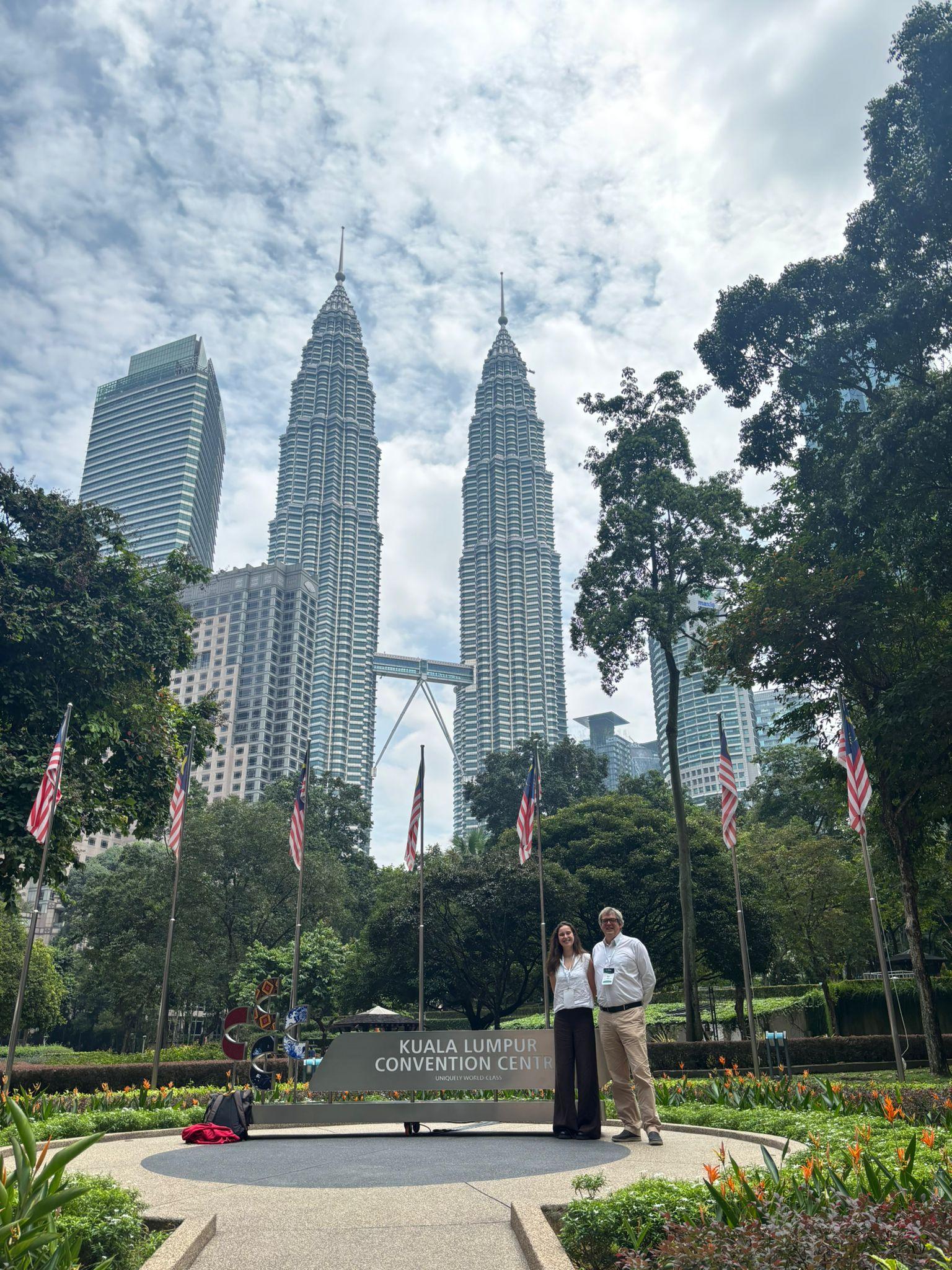
The two authors in Kuala Lumpur