
When I received confirmation to attend the Global Forum for Bioethics in Research in Ghana (18-19 Nov), I was thrilled, but also a bit anxious. At 26 weeks pregnant, traveling internationally and alone was not a decision everyone understood. “Can you travel during this time? Is it even allowed? How will you manage? Why now? Why alone? Take someone with you!” Even my doctor hesitated. I negotiated medications, precautions, and promised it would be a short, work-only trip. Five days, in and out. No sightseeing. No risks.
But, beneath the concern lay something deeper: the cultural lens. In India, pregnancy often comes wrapped in layers of caution, control, and fear. It’s seen less as a natural process and more as a fragile state requiring constant protection – of the woman or the unborn child? Maternal health outcomes differ across geographies and contexts, but so do societal attitudes and perceptions towards pregnancy and pregnant women. In a patriarchal society like India, genuine health risks often coexist with the cultural narratives that amplify fear around pregnancy and restrict autonomy of women. Was my decision to travel shaped by a desire to challenge that narrative? Perhaps.
The anxiety and the preparation
Moreover, my own apprehensions were real. Memories of my last international trip (a missed flight, lost luggage, a panic attack in the middle of the night) haunted me. Crossing the same airport for my connection this time felt like reliving a nightmare. So, I prepared meticulously: medical reports, medicines, pregnancy declaration form, compression socks, healthy snacks, even an Air Tag for my suitcase. ‘Packing light but smart’ became my mantra. Yet, with the essentials and ‘just-in-case’ items, it didn’t end up being light : ) Still, I was determined to stay positive and return home safe.
The awkwardness of asking for help
Before leaving, everyone advised: “Don’t hesitate to ask for help. Be shameless.” Easier said than done. For someone who has always prided herself on being independent, asking for assistance felt unnatural, almost like admitting weakness. I hesitated, fumbled, and sometimes just did things by myself, even when I knew I shouldn’t.
What made it harder was the invisible nature of my need. Unlike someone elderly or visibly disabled, my pregnancy wasn’t always obvious. I felt eyes scanning me, silently questioning “Does she really need help?”. So, I found myself remembering my doctor’s advice, avoid long standing, no lifting… and with that in mind, I kept repeating “I’m pregnant”. I probably said it more during those 22 hours of travel than in my entire six months of pregnancy. “I’m pregnant, can you help me”; “I’m pregnant, I can’t stand in a long queue”; “I’m pregnant, I can’t lift this, it’s heavy”. Each time it felt awkward, like I was justifying my existence, and my decision for choosing motherhood. Only slowly I got a little used to asking for help and became a bit more vocal about my need during my return journey. The conference in between, where my requests were politely accommodated without any questions or judgements, also helped me ease into this.
Moments that touched me, humbled me
There were moments of grace that I’ll never forget. A kind airline staff member who noticed my discomfort and quietly rearranged things so I could sit sooner. A fellow passenger who offered to lift my bag without me asking. These gestures made me feel seen, respected, and safe. And yet, not every interaction was like that. Some staff seemed unaware or indifferent, and I had to explain and justify my needs repeatedly, even after declaring my pregnancy as per airline rules, which mandate sharing a copy of my pregnancy declaration form with the pilot and the cabin crew.
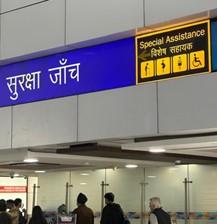
This inconsistency revealed a bigger truth: the system isn’t designed to proactively identify and support those who need assistance. Except for Delhi Airport, I didn’t notice any signs for special assistance in any of the other airports, for elderly, expectant mothers, mothers with small children or people with disabilities. This made it even more difficult to seek assistance. With the physical and mental fatigue of managing alone, it did become overwhelming and lonely at times.
Yet, I wondered: if it’s this hard for someone like me, temporarily dependent on support, what must it be like for people with disabilities or invisible conditions who navigate these challenges every single day? I reached out to a friend with a motor disability to understand her experiences, and she shared similar stories- often being looked down upon or pitied for seeking assistance, instead of just respectfully supported. She added how people with disabilities are frequently made to feel embarrassed for seeking help and that such interactions often carry a tone of judgement before support. As an able-bodied person, I realized how ignorant we often are, of the constant negotiations people with different needs make while traveling. This experience humbled me.
What this journey taught me
Traveling while pregnant taught me something that goes far beyond airports and luggage. It taught me patience first of all (still a work in progress for me). I also learnt that strength doesn’t always lie in independence, doing it all by ourselves, and never asking for help. True strength lies in knowing when to lean on others, when to trust, and when to admit vulnerability. Experiencing the discomfort of asking for help, also made me more sensitive to the invisible struggles others face.
In professional spaces, we often talk about inclusion and accessibility, but how often do we truly understand the lived experiences of people behind those words? This journey reminded me that empathy isn’t just a value, it needs to be practiced, by noticing, anticipating, and acting without waiting for someone to justify their need.
The two days at the conference were indeed very enriching (and I will share my reflections on that separately), but travelling while pregnant became a profound learning experience in itself. I returned home with more than just professional insights, I came back with a little more patience, humility, and a little less awkwardness about asking for help.
If you’ve ever hesitated to ask for help—whether in life or at work, remember this: vulnerability isn’t a weakness. It’s a bridge. A bridge to connection, empathy, and growth!