
Global progress in maternal and child health continues to stall, not because solutions are unknown, but because health systems often overlook the environments in which women experience their pregnancies. Social stressors, limited support networks, gender inequalities, and poor nutrition exert a stronger influence on outcomes than any single clinical intervention. This is exactly where midwives play a pivotal role, not only as clinical providers, but as trusted community anchors who understand the social, cultural, and emotional realities shaping women’s health. By working at the intersection of community life and primary care, midwives bridge critical gaps that health systems often fail to address.
In this article, I will share Indonesia’s experience with the SEKOCI model, a community-driven midwifery innovation. Next year, at an international midwives conference in Lisbon, I aim to show how grounded, collaborative, and culturally attuned approaches like SEKOCI can help translate the global call for ‘One Million More Midwives’ into meaningful improvements in maternal and child health at the community level.
ICM Lisbon conference in 2026
In June next year, the 34th Triennial Congress of the International Confederation of Midwives (ICM) takes place in Lisbon, Portugal. The theme, “One Million More Midwives”, emerges from a stark and urgent global reality. As the Congress webpage mentions, the latest State of the World’s Midwifery Report estimated a shortage of 900,000 midwives worldwide using pre-pandemic 2019 data – a gap that has almost certainly widened in the years since. This deficit is not merely numerical; its consequences are profound. Closing this gap could prevent 67% of maternal deaths, 64% of newborn deaths, and 65% of stillbirths every year, potentially saving up to 4.3 million lives annually by 2035.
Yet, the theme calls for far more than just scaling up the workforce. It urges a reimagining of how societies value midwives and embed their roles within the social, cultural, and community contexts that shape maternal and newborn health.
The ICM Professional Framework for Midwifery (2025) offers a roadmap for this shift. It emphasizes that high-quality Sexual, Reproductive, Maternal, Newborn and Adolescent Health (SRMNAH] ) services emerge only when ten interdependent components are in place: a coherent midwifery philosophy, a rights-based model of care, strong education and regulation systems, empowered professional associations, leadership pathways, research capacity, enabling environments, and collaborative partnerships. Strengthening midwifery means strengthening all these elements simultaneously.
Indonesia’s persistent maternal mortality and child stunting illustrate why this holistic approach matters. Technical improvements alone have not been enough. Women experience pregnancy amidst psychosocial pressures, cultural norms, economic barriers, and unequal access to information, realities that demand community-rooted solutions.
Enter SEKOCI.
SEKOCI: A Community Innovation Anchored in Multisector Collaboration
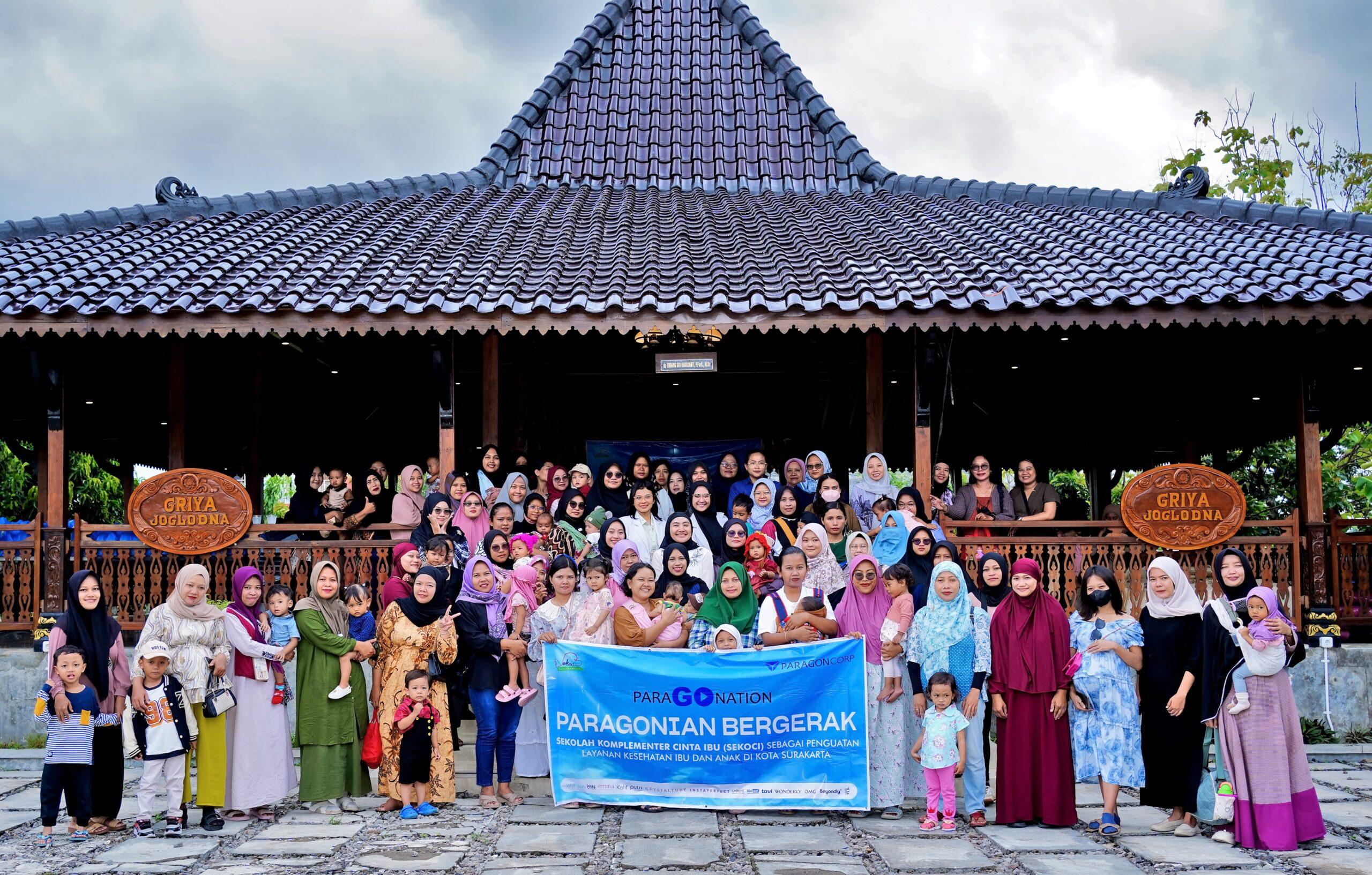
In Indonesia, SEKOCI (Sekolah Komplementer Cinta Ibu) stands as a powerful example of how the Professional Framework can be translated into practice. Rather than positioning maternal health solely within clinical settings, SEKOCI brings support directly into the environments where families live, learn, and make decisions.
What distinguishes SEKOCI is its deliberate multisector design:
Together, these actors create a collaborative ecosystem that mirrors the ICM vision of an enabling environment.
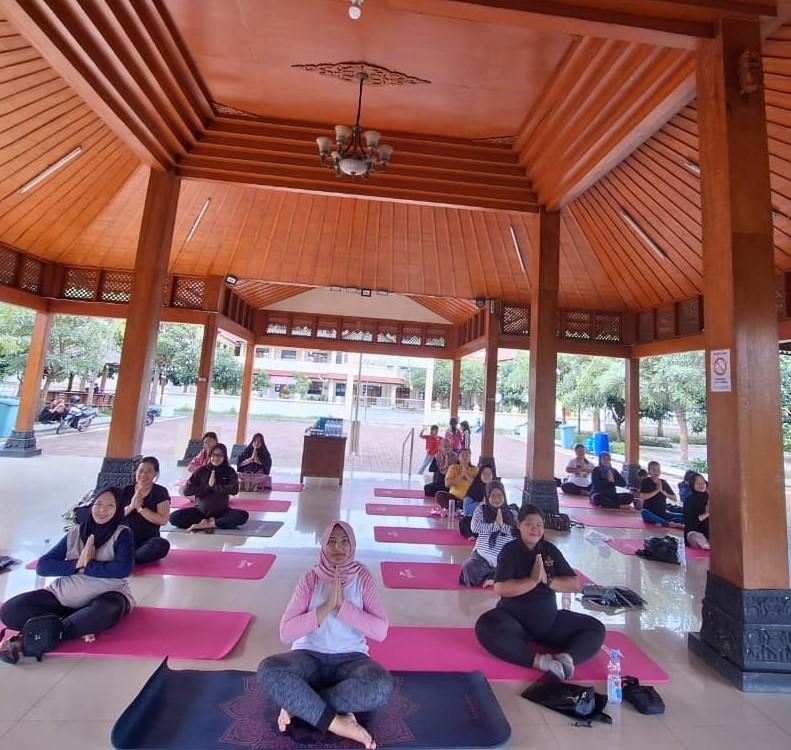
Through mental health screening, prenatal gentle yoga, breastfeeding counseling, early childhood stimulation, baby massage, nutrition education, and peer support circles, SEKOCI operationalizes multiple elements of the Framework all at once. Midwives work not only as clinical providers but also as facilitators of family resilience, educators, and community advocates, roles central to the midwifery philosophy of partnership, dignity, and respect.
A Model for the “One Million More Midwives” Agenda
SEKOCI demonstrates that when midwives are supported by interdisciplinary teams and embedded in community life, they can practice to their full scope and deliver substantially better outcomes. It shows what can happen when academic knowledge, community wisdom, and health-system structures meet.
The program also illustrates a crucial point for the global midwifery agenda: scale is meaningless without systems. Producing one million more midwives will not reduce mortality if they enter environments without adequate regulation, supportive workplaces, leadership pathways, or community trust.
The SEKOCI experience frames “moving together” as a strategic necessity rather than a slogan. Collaboration between universities, practitioners, government, NGOs, media, and private sector actors creates a model of maternal and child health that is not only clinically sound but socially grounded, culturally resonant, and scalable.
As the world commits to expanding the midwifery workforce, Indonesia offers an instructive reminder: The future of maternal health depends not only on more midwives, but also on ecosystems that allow them, and the women they serve, to flourish.