
Every year, around the holiday table, I ask the same question:
“How would you describe the past year, and the year ahead, in one word?”
The answers are usually hopeful. Change. Clarity. Growth. Stability.
If I had to describe the past year in one word for the global health community, however, I would choose grief. It feels as though we have lost something in the world of global health and development. Some losses are tangible, such as funding, programs and jobs. Others are less visible but deeply consequential, such as trust, confidence and a sense of direction. To borrow Sir Jeremy Farrar’s words, citing Lenin: “There are decades where nothing happens; and there are weeks where decades happen.” Last year felt exactly like the latter.
Just before Christmas, many Dutch households received a 72-hour survival guide outlining how to cope during the first days of a national emergency. Ironically, during the same week, residents in Utrecht experienced bacterial contamination of their water supply triggering panic buying of bottled water, and shutting down office coffee machines. Perhaps this was a small glimpse of what a “national emergency” feels like in the Dutch context.
The point I am trying to make is that we are living through a period of constant, overlapping crises: preparations for war, a global health funding crisis, disruptions to essential health services (TB, HIV, malaria, …), widespread misinformation, erosion of trust in science, an increasing climate emergency, and the ever-present risk of another pandemic driven by emerging or re-emerging infectious diseases.
These emerging (and re-emerging) problems demand creative solutions. During the previous Emerging Voices for Global Health (EV4GH) venture in Nagasaki in 2024, linked to the 8th Global Symposium on Health Systems Research, we held rich discussions across many health topics, identified numerous problems, and debated intensely. But how many concrete solutions have emerged since then? If we are honest with ourselves, we must admit that thinking solely within the boundaries of academia will not be enough to address the challenges we now face. Let’s be honest: how many people are actually reading our prestigious academic publications, flashy reports, or scrolling back through the screenshots from conferences saved on their phones (usually only when storage runs out)? We need to bring the broader community into these conversations and involve them in co-creating solutions.
Encouragingly, global health stakeholders like Wellcome Trust have already begun rethinking the future of global health, calling for urgent reform. They are far from the only ones, a number of processes and initiatives are ongoing to re-imagine global health so that it’s ‘fit for the future’. Emerging Voices remain uniquely positioned to help shape that future. We know the problems; we live the problems. But we urgently need more collective problem‑solving (and perhaps a bit less discussion?).
This year’s EV venture in Dubai aims to offer a structured platform for critical engagement with the current global health agenda. This includes conversations on global health reform, power and politics, and related issues, shaped through exchanges with senior global health experts and peers. Crucially, the aim is not dialogue for its own sake, but the co-production of solution-oriented outputs.
EVs have been “emerging” for many years. Arguably, many EVs from the previous cohorts are “Emerged” by now, they have done and are doing great work in their countries, regionally or at global level. Nevertheless, my hope is that 2026 becomes a year of transformation for EV4GH.
The current EV Board is working hard to make this happen, in spite of the undeniably difficult times.
See you in Dubai in November!
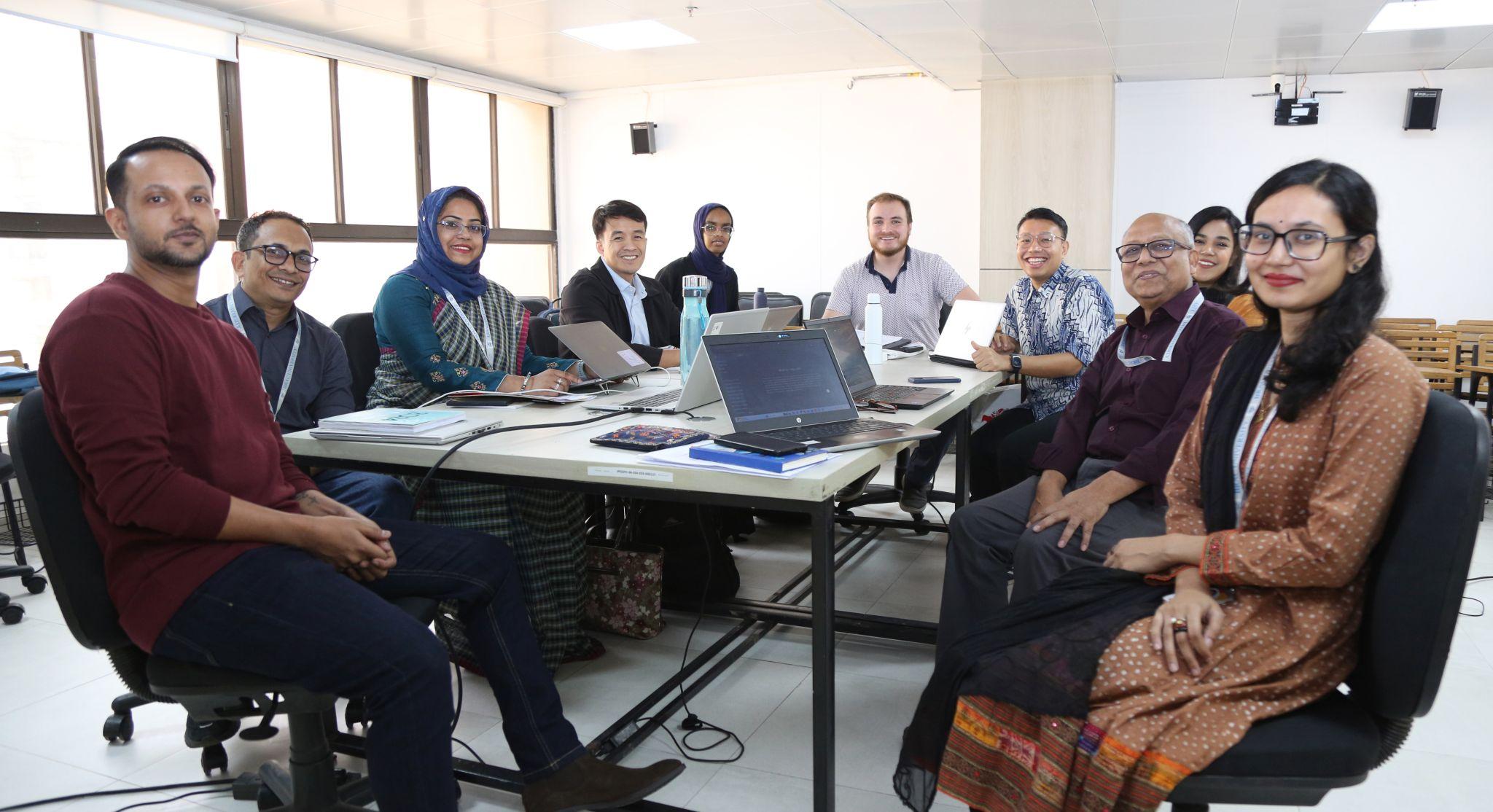
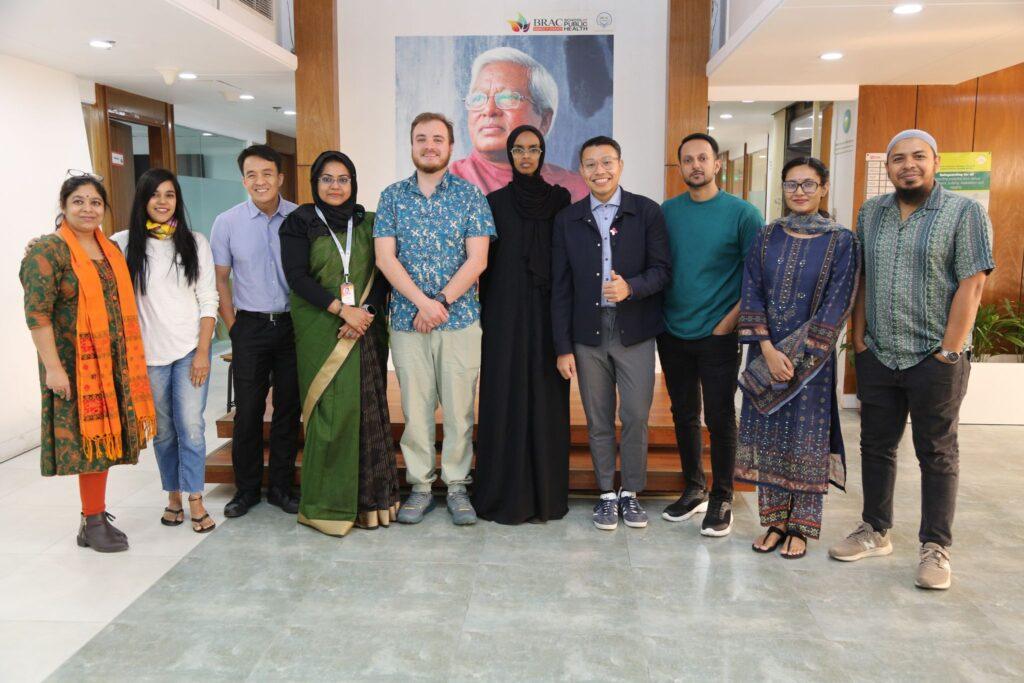
The EV4GH Governance team at a recent preparatory meeting in Dhaka
Thank you, Soe Yu Naing, for this thoughtful and honest reflection. The past year has indeed been one of grief for many in global health—marked by funding shortfalls, disrupted services, and eroded trust—but your call for transformation through collective action resonates deeply.
In Nigeria and across Africa, we live these problems daily: fragile health systems, climate vulnerabilities, and the urgent need to protect essential services for the most vulnerable. Yet, it is precisely in such times that emerging voices from the Global South must lead in co-creating practical, sustainable solutions. We cannot afford endless discussions; we need disciplined implementation, prudent resource management, and inclusive reforms that prioritize human capital development—starting with health and education for all.
Initiatives like Emerging Voices for Global Health are vital for amplifying these voices and turning ideas into impact. I remain optimistic that 2026 can be a year of real change, driven by innovation, accountability, and unity. See you in Dubai—let us move from consumption to production in global health.