
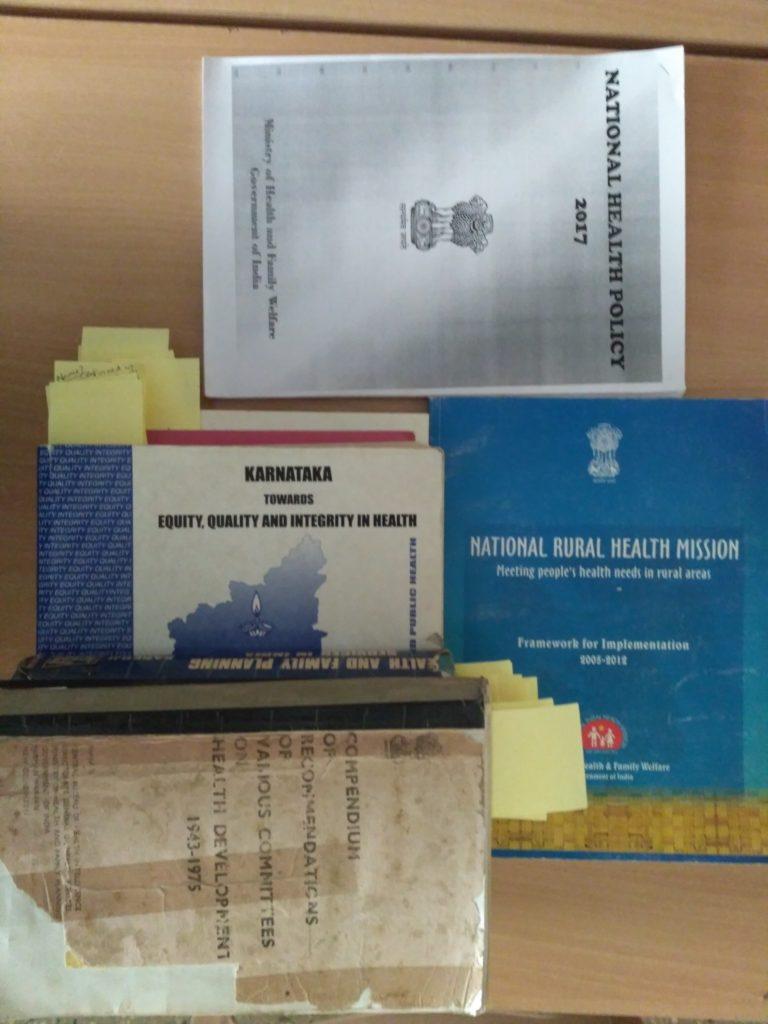

Globally, oral health is often overlooked in policy discussions, program planning, and resource allocations, diminishing its perceived importance for overall well-being. Understanding the roots of this neglect requires a fresh lens, employing historical approaches to analyse the invisible forces that have shaped health outcomes over time. Drawing on my research into oral health agenda-setting in India and Brazil, informed by the Multiple Streams Framework (MSF), I set out to explore a central question: Why does history matter for oral health policy-making? The answer, as revealed by primary historical evidence, is that deeper currents, such as shifts in values, institutional arrangements, and stakeholder ideologies, drive change, often more than scientific findings alone. In this short article, I focus mostly on lessons drawn from India.
Learning from the Past: Stories and Evidence
Historical sources, such as policy documents, meeting minutes, media articles, and archival records, reveal how oral health priorities have evolved, who the key actors were, and what opportunities may have been missed.
My archival searches surfaced important political figures, such as Fathima Jinnah, British India’s first female dentist, who graduated in 1923 from R. Ahmed Dental College in Calcutta, challenging us to consider the gender and equity dimensions of professional education at a time when society was largely male-dominated. Other discoveries include the story of Chinese Dentists, who migrated to South Indian cities during the Second World War, revealing the rich diversity of oral health heritage, as their grandchildren are still practising as dentists nowadays.
India has struggled with fragmented oral health policy efforts and a lack of robust supporting data, leading to its marginalisation in policy circles. In contrast, Brazil’s integration of evidence into public health frameworks provides a model for building effective oral health systems through programs like Smiling Brazil. The Smiling Brazil program was launched in 2004 to expand access to free services to oral health care services by reorganising the delivery of care, improving financial transfers, and providing equipment, among others.
Identifying policy windows and entrepreneurs
By systematically analysing archives, government records, oral histories, and policy campaigns, it becomes possible to construct a more complete picture of India’s oral health journey and to identify pivotal “policy windows” when momentum for change is possible. A prominent example is the National Rural Health Mission, launched in 2005, which emerged as a critical policy window, leading to improved health outcomes and renewed attention to oral health within India’s broader health agenda.
Recognising the roles of both established actors and new influencers, such as social media voices, can help identify policy entrepreneurs and optimise the timing of new interventions. Recent engagement, like Stanford University’s Dr. Andrew Huberman’s podcast on oral health, viewed nearly a million times on YouTube, demonstrates how global influencers can spotlight neglected issues such as oral health, which is gradually shaping discussions in India as well.
Looking back (cautiously) to move forward
Progress in oral health demands asking: How often do we look back to plan our research or policy work? Historical analysis is embedded in theoretical frameworks such as MSF, and therefore, it is useful in highlighting the historical neglect. This should be approached with caution because the past is judged based on the information and understanding of the present. History is not just a record of what has been done; it is a toolkit for change, equipping policymakers with lessons, strategies, and cautionary tales for building a healthier, more equitable future.
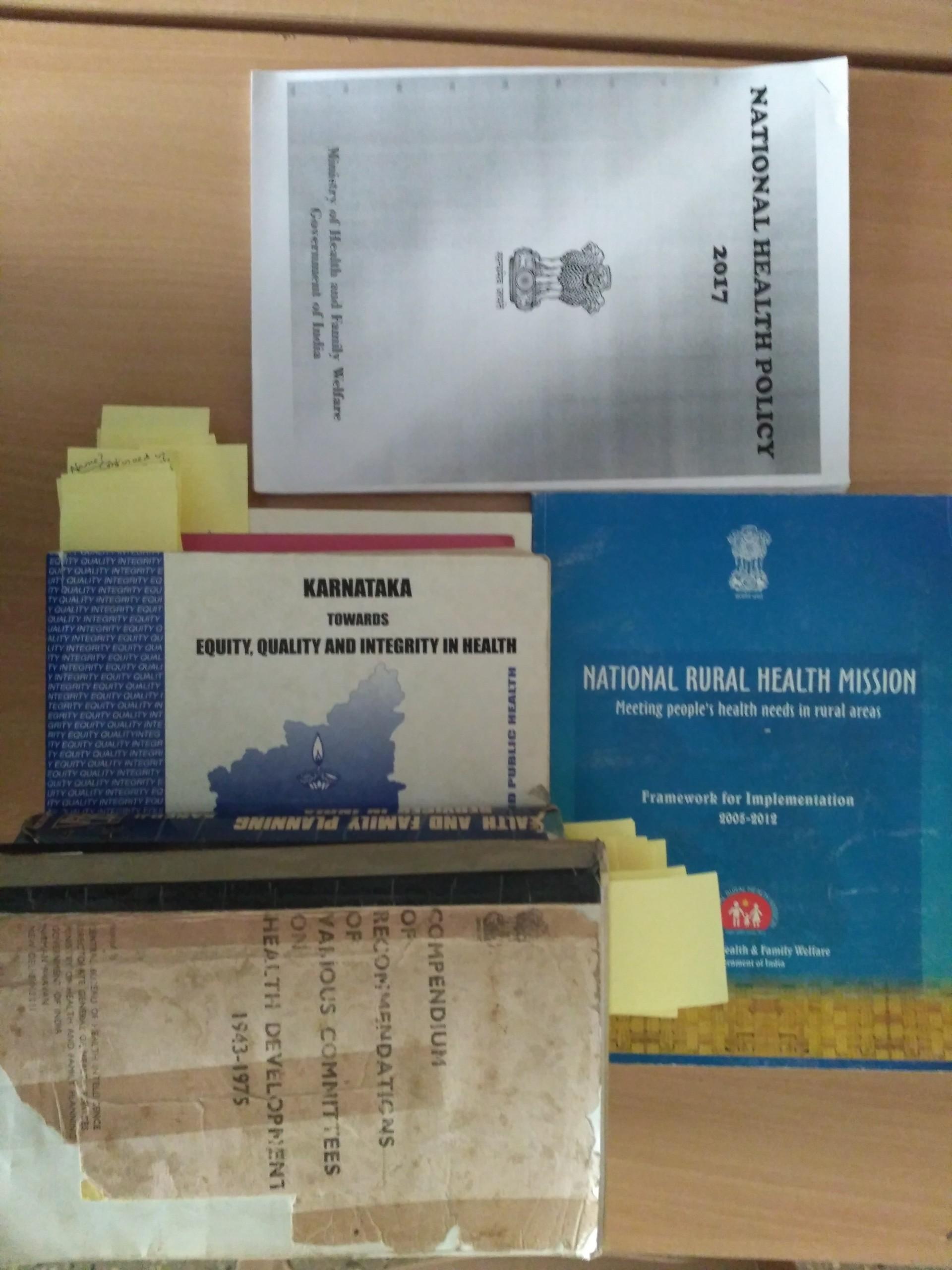
Picture via https://www.sochara.org/archives/