Subscribe to our weekly International update on Health Policies
The weekly IHP newsletter offers a digest of key global health (policy, governance, research) reads.
Select a newsletter issue or browse the topics in the current issue.
Dear Colleagues,
The contrast is striking. On the one hand, this week’s High-Level Political Forum on Sustainable Development (HLPF) in New York aims to “accelerate action for the SDGs”, “get the SDGs back on track” (as they’re badly “off track”) and/or otherwise “build political momentum” for the SDG summit in September, halfway the SDG trajectory. On the other hand, after all the planetary havoc and ‘uncharted territory’ of the past few weeks, more and more observers are starting to seriously consider the option of full-blown civilizational collapse in the coming decades/century. Borrowing a leaf from trailblazer UN SG “four horsemen” Guterres, if you want. I suspect that’s not what people had in mind when they crafted the SDG agenda.
This week for example, a paper on a ‘Climate Endgame’ research agenda (from April) went viral. It’s not exactly a merry read. Arguing, among others, for an “IPCC Special Report on Catastrophic Climate Change” sooner rather than later. On the side of public opinion, however, the NYT noted that climate disasters already seem to be losing their ‘shock value’. That bodes ill.
With capitalism apparently hellbent on “eating itself”, one wonders how humanity can still stop this destructive spiral in time. Early this week, for example, the new World Bank chief “named 15 chief executive officers (including financiers and asset managers) to a group ….. aiming to marshal more private capital to combat climate change and boost investment in developing countries. “ I’m afraid that’s just incredibly naïve (or worse ). If you trust the likes of Larry Fink (Blackrock) and others to help turn this global economic system into something sustainable (moreover, asap), via a “Private Sector Investment Lab”, I don’t know what on earth you’re thinking. I personally reckon we need, among many other things, an army of people with a strong focus on global public goods ànd a deep understanding of the global financial sector to work soon in international organisations, central banks, financial regulators, places like Wall Street, the City, Singapore, …. And no, I don’t mean people like Michael Bloomberg, Peter Sands (who was, however, friendly enough to list the few institutions that really matter in the global financial world this week), Seth Berkley, …. (for all their merits, they’re all far too close to the Davos elite and the ways of (failed) capitalism as we know it, to really dare think post-capitalism), etc. No, I’m talking an ‘army of Felix Steins, Ann Pettifors & Brett Cristophers’ 😊. A ‘planetary health (finance) emergency/security corps’ fit for our dire times.
In other news this week, we’ll focus on the 3rd edition of the Global Rehabilitation 2030 meeting (including the launch of a World Rehabilitation Alliance ); big worries around the PPPR political declaration for September’s High-Level meeting in New York (raised ahead of the third reading, on 10-11 July), a hard-hitting Global Health 50/50 report (with an analysis of workplace policies on sexual and reproductive health and rights and gender equality of 197 global organisations active in health), a new UNAIDS report (‘The Path that ends AIDS’), the IHEA (health economics) conference in Cape Town (1st one organized in Africa, themed “Diversity in Health Economics”); a Global Development Initiative conference in Beijing and much more.
Enjoy your reading. Preferably near a swimming pool, these weeks.
Kristof Decoster
Very cool blog. Although written in 2018, many parts of it are ringing more true now than then, even. A few excerpts:
“Imagine you were tasked with setting the world’s development priorities for the next couple of decades. You know that you have the smallest of windows open to you to halt global warming, and you know that if you don’t then overheating will trigger an unstoppable slide into mass species extinction, including our own. What do you do? Obviously, you prioritise that development goal – not becoming extinct – and reframe all subsidiary development priorities in terms of ecological sustainability.” Clearly, that didn’t happen.
And: “…. Had there been any political appetite to change the international development system, then we could have reworked a number of alt-dev objectives into genuinely sustainable development goals. Drawing on ideas expressed by STWR, Chapter 8 of Hickel’s book (titled ‘closing the divide’) lists debt resistance, democratizing international financial institutions, fair trade, just wages and reclaiming the commons as sensible strategies. I would like to see these feature in an internationally agreed set of development goals. But this is all hypothetical. There is very little political appetite to change the international development system. The ideas listed above lie at the margins of development thinking and require a groundswell of support to gain traction in the mainstream….”
M Meurs et al; https://www.ijhpm.com/article_4473.html
Important article on framing for our dire times.
“The authors wholeheartedly agree with Labonté: global health equity needs radical changes in economic thinking and policies, including degrowth and reducing consumption in parts of the world. But to mobilize sufficient people for radical change, reducing overconsumption and for degrowth, we may need to stop calling it that. Language is important and using the same frames and words as our opponents do can be counterproductive. Global health advocates need to be strategic about framing, use hope-based communication and develop attractive and convincing narratives. By doing so, hopefully we can bring these messages across to larger groups of people and increase the push for social change.”
PS: it’s clear that we better hurry up too with this sort of framing.
This year’s theme: “ Accelerating the recovery from the coronavirus disease (COVID-19) and the full implementation of the 2030 Agenda for Sustainable Development at all levels ”.
“In the forum, participants [will be] able to further discuss the effective and inclusive recovery measures to address the impacts of the COVID-19 pandemic on the Sustainable Development Goals (SDGs) and explore actionable policy guidance for the full implementation of the 2030 Agenda and the SDGs at all levels. The HLPF in 2023, without prejudice to the integrated, indivisible and interlinked nature of the SDGs, will also review in-depth Goals 6 on clean water and sanitation, 7 on affordable and clean energy, 9 on industry, innovation and infrastructure, 11 on sustainable cities and communities, and 17 on partnerships for the Goals.” So no real focus on health SDG 3, this year.
“…. The HLPF in July will also support the mid-term review of the implementation of the SDGs and the preparations for the 2023 SDG Summit – the HLPF to be convened under the auspices of the General Assembly in September 2023.”
https://news.un.org/en/story/2023/07/1138537
On the opening day. “Government, civil society and private sector partners convened in New York on Monday by the Economic and Social Council (ECOSOC) to address the urgent need to put the 17 SDGs back on track. The ambitious set of objectives agreed in 2015 for people and planet have been derailed by the COVID-19 pandemic and escalating global crises. …”
“Since the adoption of the 2030 Agenda the world has undergone significant changes, and progress towards the SDG is falling behind due to financial, energy, food, and humanitarian setbacks exacerbated by geopolitical tensions. The High-Level Political Forum on Sustainable Development, the HLPF, takes place at the mid-point in pursuit of the 2030 Agenda. Focusing on ways to accelerate the global recovery, it will set the grounds for the crucial SDG Summit scheduled for September 2023…..”
PS: “…. The Forum will be basing its work on two key documents: the 2023 Global Sustainable Development Report and the Special Edition of the Secretary-General’s SDG Progress Report…..”
For more on the HLPF set-up see two informative Medium blogs:
· Medium - 2023 HLPF on the SDGs - Everything you need to know about the High Level Political Forum on Sustainable Development
· Medium - Major Reports from the 2023 HLPF on SDGs Re the most significant reports either released or heavily referenced at the HLPF.
https://unstats.un.org/sdgs/report/2023/The-Sustainable-Development-Goals-Report-2023.pdf
“The present report on progress towards the Sustainable Development Goals is submitted in response to General Assembly resolution 70/1, Transforming Our World: the 2030 Agenda for Sustainable Development. At the mid-way point towards 2030, this Special Edition report provides an update on progress made since 2015 against the global SDG indicator framework. It finds that many of the SDGs are moderately to severely off track and puts forward five major recommendations to rescue the Sustainable Development Goals and accelerate implementation between now and 2030, for Member State consideration in advance of the SDG Summit….”
“….. At the mid-way point on our way to 2030, the SDGs are in deep trouble. A preliminary assessment of the roughly 140 targets with data shows only about 12% are on track; more than half, though showing progress, are moderately or severely off track and some 30% have either seen no movement or regressed below the 2015 baseline…..”
https://news.un.org/en/story/2023/07/1138597
“ Half of humanity lives in countries that are forced to spend more on servicing their debt than on health and education, which is nothing less than a development disaster, UN Secretary-General António Guterres said on Wednesday.”
“According to a new report by the UN Global Crisis Response Group, entitled A World of Debt, a total of 52 countries – almost 40 per cent of the developing world – are in “serious debt trouble”, Mr. Guterres said, backing calls for them to receive urgent fiscal relief. Last year global public debt reached a record $92 trillion, of which developing countries shoulder 30 per cent – a “disproportionate amount”, the UN chief stressed. He warned that 3.3 billion people suffer from their governments’ need to prioritize debt interest payments over “essential investments” in the Sustainable Development Goals or the energy transition. “And yet, because these unsustainable debts are concentrated in poor countries, they are not judged to pose a systemic risk to the global financial system,” the UN Secretary-General added…..”
https://www.nature.com/articles/d41586-023-02251-y
“The COVID pandemic knocked back progress towards improving public health. Without addressing the underlying social and economic causes of ill health, it could completely stall.”
“….. the health goal should be strengthened by increasing focus on the economic, social and power inequities that drive disease and disability worldwide — and researchers must play their part in making that happen. … …. to truly address global health and well-being, governments must work to reduce economic inequality, not just between nations but also within them. This means both shoring up the funding needed to provide health care and reducing the poverty, discrimination and violence that contribute to ill health….”
“…. In May, the World Health Organization released a report that laid out the economic reforms needed to improve global health. The report, entitled ‘Health for All’, set out a range of economic measures, such as the reformation of taxes on wealthy individuals and multinational corporations, and called for allowing debt relief for low-income countries during pandemics and natural disasters. It also called for a fundamental reformulation of how we perceive health and well-being: not as an expenditure to be chopped during times of austerity, but as an investment in a country’s future economy and well-being. ….”
G C Barron, J Koonin et al ; https://www.thelancet.com/journals/langlo/article/PIIS2214-109X(23)00317-0/fulltext
“The Coalition of Partnerships for Universal Health Coverage and Global Health calls on all countries to urgently reinvigorate progress towards health for all.”
“….As countries meet in July for the High-level Political Forum (HLPF) to discuss recovery from COVID-19 and implementation of the Sustainable Development Goals, we call on all countries to urgently prioritise strengthening resilient and equitable health systems to achieve universal health coverage. Univeral health coverage is a matter of health, rights, and justice, and also a key enabler of human security….”
“….At the HLPF in July and the three UN High-level meetings on health, upcoming in September, 2023, all countries must recognise that progress in providing tuberculosis care, strengthening pandemic preparedness, and delivering the human right to health through universal health coverage are interrelated goals, requiring a concerted focus on the most vulnerable and marginalised populations. …. We call on all countries to make actionable commitments, using the Action Agenda from the UHC Movement, and propose three focus areas to ensure that people are not only covered and can access services, but these services are also of quality, consist of their specific requirements, and are accessible when they need them…..” Check out what these are.
With some more info & updates now that negotiations for UN High-Level Meetings documents are in the final weeks. Focus on the UHC & PPPR HL meetings here. (PS: this week (10-11 July), there was the third reading of the PPPR political declaration draft.)
· Via a Letter from the President of the General Assembly – extending HLM co-chairs (3 July)
The themes (& panels) for some of the HL meetings in Sept:
· “Making the world safer: creating and maintaining political momentum and solidarity for Pandemic Prevention, Preparedness and Response.”
· “UHC: expanding our ambition for health and well-being in a post-COVID world.”
Open Letter by Ellen Sirleaf & Helen Clark - to leaders responsible for the pandemic Political Declaration under negotiation at the #UNGA. https://threadreaderapp.com/thread/1678080007019610112.html
From Monday. Their message went viral soon on social media. “They expressed concern that the opportunity presented was being squandered.”
Among others: “…. The current draft of the political declaration, to be the focus of consultations on July 10/11, does not express the commitments required of Heads of State & Gov. to transform the int'l system of pandemic preparedness & response. Instead, it reads as a health resolution. ….”
· Coverage also via HPW - Warning That UN High-Level Meeting on Pandemics May be ‘Squandered’ Opportunity
“As United Nations (UN) member states meet in New York on Monday and Tuesday to discuss the political declaration to be adopted at the General Assembly’s High-Level Meeting (HLM) on Pandemics in September, there are growing concerns that the current draft is weak and proposes an over-reliance on the World Health Organization (WHO) to manage future pandemics. The current draft – pared down from 58 to 15 pages – has dispensed with a number of critical concerns, particularly about how future pandemics will be governed, located almost entirely with the WHO. …. The most vocal criticism of the draft comes from the co-chairs of the Independent Panel for Pandemic Preparedness and Response, which has proposed a high-level independent oversight group to govern global pandemic responses……”
https://twitter.com/nschwalbe/status/1677331043018235907
Also very critical, ahead of the Monday-Tuesday meetings in New York, of the current draft.
“Wednesday, UN Member States received a new draft of the High-Level Political Declaration on Pandemic Preparedness and Response to be discussed next week in New York. It's a struggle to find much positive to say.” “Rather than a strong declaration that commits UN Member States at the highest level to fundamentally change how they address all aspects of pandemic prevention, preparedness, and response, it covers everything from hand hygiene to pollution.”
“Israel and Morrocco ("the co-facilitators") streamlined the text based on multiple inputs - down from 58 pages to 15. How they arrived at the new language is difficult to follow. Many stronger proposals by Member States were dropped or replaced by new language or ideas.”
“Governance and accountability have been watered down, suggesting that "all things pandemics" should be deferred to Geneva-based processes. At the same time, there is little "high level" with many paragraphs that sound more like a technical World Health Assembly Declaration.”
“The governance section - probably the most important part of the declaration - is particularly weak. Heads of State are only mentioned in the preamble. And the document extends the deadline for #pandemictreaty processes from May 2024 to 2024 more broadly (no date).”
“Calls for financing are scattered and lack specificity. And accountability is nearly entirely delegated to WHO. The UNGA would only be called to meet again on this issue in 2026, with not even a progress report in the interim.”
“The text does mention independent monitoring. Unfortunately, it's not specific to UN processes underway or government accountability towards them (e.g. #PandemicAccord, IHR). It's about accountability systems in general and appropriate (whatever that means).”
“A lot is riding on the discussions Monday and Tuesday. It's now or never for UN Member States to commit to the political leadership required to prevent, prepare, and respond to future pandemics. How about now!”
PS: a tweet from Helen Clark (on other HL meeting drafts):
“Am hearing concern about suboptimal drafts for other HLMs too. HLMs by definition bring together leaders or their senior representatives. Declarations from them should be to the point and action-oriented, not Xmas trees leading nowhere.”
PS: The Rehabilitation 2030 initiative was launched in 2017.
This (third) global meeting had 4 objectives.
https://healthpolicy-watch.news/a-lifelong-journey-2-billion-people-need-rehabilitation-globally/
Coverage of day 1 of “….a global summit to strengthen financing for and access to rehabilitation care in health systems….”
“….The high-level meeting at WHO headquarters is the first since a watershed resolution on boosting access to rehabilitation care was passed by the World Health Assembly with unanimous support from WHO’s 193 member states in May. The resolution – the first to directly address rehabilitation in 75 years of the World Health Assembly – found that global rehabilitation needs are “largely unmet”, and that in many countries, less than half of people receive the care they require. The non-binding document commits to expand financing, integrate rehabilitation into national healthcare systems, minimize the prohibitive costs of assistive technologies like hearing aids, promote high-quality research and include rehabilitation in emergency preparedness and response plans. “
“….Four decades after the World Health Organization (WHO) recognized rehabilitation as an essential health service, millions of people in low- and middle-income countries still lack access to these life-changing interventions. …. “With the rising prevalence of noncommunicable diseases, ageing populations, and improved survival from injuries, the need for rehabilitation services is expected to increase significantly,” WHO Director-General Dr Tedros Adhanom Ghebreyesus said. “
….WHO has significantly increased its technical assistance to countries for rehabilitation services since the Global Rehabilitation 2030 agenda was adopted in 2017. In that time, WHO has provided technical assistance to 37 countries, up from zero when the agenda was adopted. Twenty-five low- and middle-income countries have so far implemented strategic plans on rehabilitation with WHO assistance…..”
“On the first day of the rehabilitation summit on Monday, WHO also published two policy guidebooks for governments seeking to improve rehabilitation care. ….”
“…. WHO is expected to launch further technical guidance in the areas of workforce, information systems, financing, and health service delivery over the course of the Global Rehabilitation 2030 conference, which ends on Tuesday…..”
https://healthpolicy-watch.news/world-rehabilitation-alliance-is-finally-launched/
On day 2 of the meeting. “After seven years of planning, the World Rehabilitation Alliance (WRA) was launched in Geneva on Tuesday with a founding membership of 82 organisations.”
“…. “The need for rehabilitation is far, far greater than most people assume,” Dr Jérôme Salomon, Assistant Director-General and head of Universal Health Coverage at WHO, told the summit. “More than 2.4 billion people, almost a third of the global population, have health conditions that could benefit from rehabilitation….”
“…. The summit launched a Package of Interventions for Rehabilitation aimed at assisting countries to integrate rehabilitation into their national health services, including training health workers to address the need. “…. The package focuses on 20 health conditions spread throughout seven areas of health, added Dr Alexandra Rauch from the WHO’s Rehabilitation Programme…..”
Related links:
· WHO - Package of interventions for rehabilitation
“A new report released today by UNAIDS shows that there is a clear path that ends AIDS. This path will also help prepare for and tackle future pandemics and advance progress towards achieving the Sustainable Development Goals. The report, ‘The Path that Ends AIDS’, contains data and case studies which highlight that ending AIDS is a political and financial choice, and that the countries and leaders who are already following the path are achieving extraordinary results. Botswana, Eswatini, Rwanda, the United Republic of Tanzania, and Zimbabwe have already achieved the “95-95-95” targets. That means 95% of the people who are living with HIV knowing their HIV status, 95% of the people who know that they are living with HIV being on lifesaving antiretroviral treatment, and 95% of people who are on treatment being virally suppressed. A further 16 other countries, eight of them in sub-Saharan Africa, the region which accounts for 65% of all people living with HIV, are also close to doing so…..”
“….The report highlights that HIV responses succeed when they are anchored in strong political leadership. This means following the data, science, and evidence; tackling the inequalities holding back progress; enabling communities and civil society organizations in their vital role in the response; and ensuring sufficient and sustainable funding. …. Progress has been strongest in the countries and regions that have the most financial investments …. …. Progress in the HIV response has been strengthened by ensuring that legal and policy frameworks do not undermine human rights, but enable and protect them. “
https://www.devex.com/news/hiv-aids-has-fallen-off-the-political-agenda-says-unaids-official-105896
Must-read interview, related to the new UNAIDS report. Some chunks:
“HIV and AIDS … rose to the level of being on the political agenda 20 years ago because they saw death and despair. That is not the case anymore,” Angeli Achrekar, UNAIDS deputy executive director of programs and United Nations assistant secretary-general, told Devex…. “
“The number of people dying from AIDS-related illnesses went down from 660,000 in 2021 to 630,000 in 2022, according to new data released by the United Nations Programme on HIV/AIDS. … The data also showed a decline in new HIV infections to 1.3 million in 2022 from 1.4 million in 2021. But a closer look reveals women and girls account for 46% of all those new infections. Every week, 4,000 adolescent girls and women aged 15 to 24 years old were infected with HIV in 2022, with the majority of those infections happening in sub-Saharan Africa. HIV prevalence was also higher among key at-risk populations. It’s 11 times higher among gay men and men who have sex with men and 14 times higher among transgender people. And while fewer people die from AIDS it still claimed a life every minute in 2022.”
“But today’s polycrisis — war, climate change, financial, and humanitarian crises — is pushing the HIV and AIDS agenda on the side. “There are so many crises that the … entire world is challenged by, that HIV and AIDS has fallen off the political agenda,” Achrekar said.”
“….In its report, UNAIDS said there is a clear path to ending AIDS. This includes scaling up evidence-based HIV prevention and treatment programs, tackling inequalities, enabling communities and civil society organizations to play their vital role in the response, and ensuring there’s adequate and sustainable funding for the response. ….. But challenges exist. For instance, access to a new long-acting HIV prevention injectable called cabotegravir or CAB-LA that some experts have described as “revolutionary” is limited. A voluntary licensing deal last year between Medicines Patent Pool, or MPP, and ViiV Healthcare, manufacturer of CAB-LA, would allow 90 countries to purchase generic versions of it. Earlier this year, MPP also signed licensing agreements with three companies to produce those generic versions. But the report says it could take years before generic manufacturing of this tool gets “in full swing.” Several upper- and middle-income countries with high HIV burdens were also not part of the deal.”
“Meanwhile, restrictive policies are also being introduced that impede people from accessing services…..”
“… There is also a widening funding gap for HIV. Only $20.8 billion was available for HIV programs in low- and middle-income countries in 2022, far short of the $29.3 billion needed by 2025. Only 2.3% of that was spent on HIV prevention for key populations, and adolescent women and girls, Achrekar said…..”
And some more coverage:
· HPW - AIDS Killed One Person per Minute in 2022: Women and Girls in sub-Saharan Africa Remain Most Vulnerable Also coverage of the launch of the UNAIDS report by W Byanyima, on Thursday.
“….she asserted that ending AIDS by 2030 is an achievable goal. “The data and evidence in the report we are releasing today shows that there is a path that ends AIDS by 2030,” Byanyima added. “The path that ends AIDS is the same path that will help societies to be prepared for future pandemics and that will also help countries to achieve the sustainable development goals.”
· Telegraph - New HIV infections quadruple in parts of Asia and the Pacific
KFF;
“A new report from KFF and The Joint United Nations Programme on HIV/AIDS (UNAIDS) reveals that donor governments disbursed US$8.2 billion in 2022 to combat HIV in low- and middle-income countries, returning to 2020 funding levels and still below the high-water mark of $8.6 billion in 2014. The funding supports HIV care and treatment, prevention, and other services in low- and middle-income countries. Although total donor government funding for HIV increased in 2022 compared to the year before, this increase was primarily because of the timing of U.S. payments rather than increased donor government commitments. While there has been significant progress in addressing the HIV epidemic—there were 1.3 million new infections in 2022, down from approximately 2 million a decade ago, and almost half as many AIDS-related deaths—new infections and AIDS-related deaths are on the rise in some regions, including in Eastern Europe and Central Asia and the Middle East and North Africa. Further, more than 9 million people living with HIV still lack access to antiretroviral therapy…..”
“The U.S. continues to be the largest donor to HIV, providing 74% of all donor government HIV funding (US$6.1 billion), followed by France (5%, US$382 million), the United Kingdom (5%, US$376 million), the European Commission (4%, US$328 million), and Germany (2%, US$191 million). The U.S. also ranked first when standardized by the size of its economy, followed by the Netherlands, France, Sweden, and Denmark….”
“Donor governments’ bilateral aid—provided directly to or on behalf of specific countries rather than to multilateral organizations—was US$5.6 billion in 2022, an increase of almost US$130 million compared to 2021 (US$5.5 billion), primarily because of the timing of U.S. payments….”
· The KFF/UNAIDS report: Donor Government Funding for HIV in Low- and Middle-Income Countries in 2022
https://www.politico.eu/article/hiv-criminalization-infection-crime-unaids-aids-health-threat/
“UNAIDS argues that criminalization undermines efforts to prevent new infections and end AIDS as a public health threat.”
“….In many countries, if you know you have HIV, don’t tell your partner about your status and don’t use precautions like a condom or aren’t on HIV treatment, you can be prosecuted. The situations differ: Some countries have specific HIV laws; others use general laws such as those around grievous bodily harm; some prosecute transmission only; others say it’s a crime even when there is no transmission. Between January 2019 and December 2021, almost 700 cases were brought before courts all over the world, according to the HIV Justice Network, an NGO working against HIV criminalization. …. But there are serious concerns around whether the courts are the right place to be adjudicating these situations — and the wider public health impact of prosecutions.”“Kat Smithson, director of communications and engagement at the National AIDS Trust, says that criminalization undermines “pretty much everything we know about effective public health approaches to HIV,” which include thinking about shared responsibility for sexual health and not treating people living with HIV as a threat or a danger…..”
“….For UNAIDS, the joint United Nations program on HIV/AIDS, there's no doubt. It says that criminal law should only apply to the incredibly rare cases of intentional transmission. Laws criminalizing unintentional, or "reckless" transmission or exposure to HIV undermine efforts to prevent new HIV infections and are a barrier to the target of ending AIDS as a public health threat by 2030, it says…..”
D McCoy & R Khosla; Nature Medicine;
“UNU-IIGH's Director @khosla_rajat and Research Lead @dcmccoy11 call on the global health community to take three practical steps to correct harmful power imbalances.”
https://healthpolicy-watch.news/new-who-un-standard-to-aid-victims-of-sexual-assualt/
From last week on Friday.
“The World Health Organiztion (WHO) has been far too slow in providing financial, psychological and legal assistance to victims of sexual assault and exploitation committed by its staff in the Democratic Republic of Congo (DRC) during the 2018-2020 Ebola response, a veteran international investigator said at a WHO press conference on Friday.”
“Hervé Gogo, presenting his assessment of the World Health Organization’s (WHO) performance since the scandal first came to light in 2020, said that the problems are endemic to the United Nations (UN) system as a whole and that solutions need a system-wide approach. “It took too much time,” Gogo said of the WHO support extended to over 100 victims in DRC who were raped, abused or lured into having sex in exchange for jobs or money by UN and WHO staffers. “Something needs to be done to streamline the process … particularly on the question of assistance to victims and survivors.” …. ….Gogo’s findings are part of his review of WHO’s compliance with recommendations made in 2021 by an independent enquiry commissioned after The New Humanitarian uncovered the sexual abuses committed by over 80 UN and WHO staff in the DRC.”
PS: “Gogo, who previously served as a senior judicial officer in the UN mission in DRC, was emphatic that no evidence implicating WHO Director-General Dr Tedros Adhanom Ghebreyesus or his inner circle in covering up the sexual assaults in the DRC has been uncovered. “There is not a single finding about any decision or any information that was shared DG,” Gogo told reporters. “There is nothing to hide.”….”
· See also Devex – Review finds WHO support for DRC sex abuse survivors 'not sufficient'
“The World Health Organization owes much more assistance to victims of sexual exploitation and abuse during the 2018-2020 Ebola outbreak in the Democratic Republic of Congo, according to an independent review. …. ….The case was one of the largest sexual misconduct scandals in United Nations history and initially involved more than 50 women who accused Ebola aid workers, including WHO personnel, of sex-for-work schemes. After the media exposed the misconduct and an independent investigation revealed the extent of the abuses, WHO set up a $2 million Survivor Assistance Fund to support 115 victims and survivors with psychological aid, work opportunities, and legal assistance for those who decided to file a lawsuit in the local courts. That constitutes the U.N.’s usual package of support in such cases, according to Hervé Gogo, coordinator of the Independent Commission that WHO tasked to investigate allegations of sexual exploitation and abuse in the country. But this support was “not sufficient” for the victims in the DRC, Gogo said…..”
· And BMJ News – WHO fired seven people for sexual misconduct in six months
“The World Health Organization has fired seven people, including at director level, for sexual misconduct in six months as the body attempts to reform after a number of scandals.”
“In a two-hourlong town hall meeting during the last week of June, about 3,000 World Health Organization employees gathered online as the agency laid out details of a new policy that would require internationally recruited staff to move to a different duty station every two, three or five years. The Global Geographic Mobility Policy, which Devex obtained a copy of, took effect on June 15 and was supposed to be implemented on a voluntary basis until August 2023. After that, the plan was for it to become mandatory for both current and newly recruited international staff holding fixed term or continuing appointments to move after a set number of years at a duty station. But amid a barrage of staff concerns, WHO management this week extended the voluntary phase of the policy through 2024, to allow it “to continue improving the policy which is a living document,” according to an email sent to staff on Tuesday….”
Recommended read. “In this interview, Peter Sands shares his perspective on the changing landscape of global health governance and financing. We hope this is useful at a time when financing for PPR dominates multiple forums in international development.”
Some of the questions raised by Priti Patnaik: (for the answers we hope you sign up for GHF!)
“What is the role of the Global Fund post COVID-19 and for pandemic preparedness in general, going forward?.... In current global health negotiations (Pandemic Accord & amendments to the IHR], there isn't enough emphasis on health systems strengthening. A lot of it is about response and not so much prevention, many believe. What are your thoughts on this? How should countries craft obligations on health systems strengthening in these new rules? …. So when you talk about the expanded role of the Global Fund mean, in terms of the size of the envelope going forward for PPR, what does that look like if you get into this in a big way? And how do you think we can prevent fragmentation of global health financing, not just the World Bank fund, but also potentially new mechanisms for financing (like the Green Climate Fund, affiliated to WHO member states) that some countries are now suggesting in the context of the negotiations? …. This emphasis on raising resources domestically [for PPR], there are limits to that as well, with shrinking fiscal space and so on. It is often argued that adequate finances cannot be raised internationally and that countries should fix this themselves. But that is not so easy, right? ….”
On innovative financing then: “Coming to your recent comments on the limitations in innovative financing, their effectiveness in dealing with resource-constraints in global health - you seem to be skeptical about such approaches. From climate finance to now global health, innovative financing is being sold as a policy approach, even in the context of raising sustainable finance for WHO. Can you elaborate on your views? Also, debt swaps are being suggested as one way to liberate greater resources for global health. Do you think they will be effective in the context of PPR financing? “
Sands: “It is not that I am against innovative finance. In fact, there are some aspects of innovative finance that I find...actually, we are enthusiastic about debt swaps. So I want to be clear, we do debt swaps. I think we have done $260 million of debt swaps already. And we are actively pursuing other debt swap arrangements. We also do blended finance deals in which we essentially subsidize the interest costs on MDB loans to incentivize countries to use them for health purposes. But let us be clear both of those are essentially taking different forms of overseas development assistance and using them... but they not generating new money. Doing a debt swap of concessional debt, and having that forgiven, and turning it into [investments in] health is a good thing to do, but it is not new money. The issue I have, with some aspects of innovative finance, is they are dressed up to be what they are not. When people aren't looking at the underlying economics, and they aren't being sufficiently rigorous, and they are pretending that the private sector is involved, when actually the private sector is making money out of them. We have to be very clear about what's actually happening in these transactions, or we run the risk of kidding ourselves. … things like the International Finance Facility for Immunisation (IFFIm), which is perfectly sensible as a way of encouraging governments to make commitments. Governments find it easier to spread their commitment over a longer period. But we should not kid ourselves - the private sector does not put money into it, the private sector makes money out of it. And it is not expanding the ODA. “
Another question: “How do you think the governance of The Global Fund will evolve in the future, in light of the decolonizing movement? Donors at The Global Fund have more latitude to influence the governance, than they are at for example, WHO.”
Sands: “…. I think the Global Fund already has one of the most inclusive governance systems in the global health and development landscape. We have 20 voting seats on our board, three of them are for civil society. And the balance between donors and implementers. And they also include the private sector. It isn't just about rich countries and poor countries, it's also about non-state actors. And much of the debate is about country versus country. I think it is important, but it's not the whole story. The inclusion of non-state actors is really important. So five of our both voting seats are non-state actors in total. And the other thing about the Global Fund model, which is different from many other organizations, is that we don't actually set the priorities. What the countries actually do with the money that we award them is, is set by them, because we have these Country Coordinating Mechanisms. And again, they are not only the government. There are rules, the policies around the Country Coordinating Mechanisms, is they have to be inclusive of different components of society, including NGOs, communities, private sector, and so on. And so the whole idea is consistent with some of the themes around decolonizing global health that we should be an enabler of what countries and communities are seeking to do….”
As flagged already last week. Coverage of a new BMJ GH paper - Evaluation of the Global Health Security Index as a predictor of COVID-19 excess mortality standardised for under-reporting and age structure – on a new evaluation of the GHS index.
“ in an analysis published in BMJ Global Health on Thursday, researchers found that the index did have predictive value once outliers were removed and Covid death data balanced for age and reporting biases. They said the results confirm the “immense value” of investing in health systems before a crisis hits – and the “deadly consequences of failing to do so”. Dr Jaime Yassif, vice president of the global biological policy and programmes at the Nuclear Threats Initiative (NTI), which contributed to the analysis, said that the index’s measurement of health care “capacity” was broadly predictive of outcomes. “
….the researchers from the Brown University School of Public Health, the Bill and Melinda Gates Foundation, and the NTI say the GHS index was not far wrong, if excess deaths are analysed to take into account the age of a population and patchy reporting. ….”
“…. Others, however, are less convinced that the analysis validates the GHS index. Martin McKee, a professor of European public health at the London School of Hygiene and Tropical Medicine, said there were major flaws in the ranking. “I have a lot of concerns with this paper,” he told the Telegraph. “But my main concern is its use of the time period from the start of the pandemic to December 2021. There are big differences between how countries fared in the first and subsequent waves. For me, preparedness is about how they did in the initial wave.” Prof McKee added that the GHS index has always been a good measure of capacity, but ignores intention to act.”
PS: “…The latest report did concede that there were outliers to the analysis – most obviously the US.”
Update as of last week on Friday re the INB discussions in Geneva, among others. Some excerpts:
“In today’s edition, we have tried to understand the proceedings in these informal consultations that have occupied member states as they move forward in their deliberations for a pandemic accord. Diplomats are hard at work engaging at multiple levels and across different fora, and in different configurations…..”
“With days to spare for the next meeting of the Intergovernmental Negotiating Body (INB) scheduled for July 17th-21st, countries continue to get bogged down by a convoluted process as they discuss substantive proposals on the text of the proposed instrument. While there is a realistic recognition on the difficulties and the challenge at hand, countries are also aware that crunch time has begun. In a series of intersessional consultations that have taken place over the last few days, countries have not negotiated on the text per se, but have made statements on select provisions towards a Pandemic Accord. It is not fully clear whether all countries support the Bureau’s Text as the basis for negotiation, although it has become the de facto document that they are discussing. The dynamics in these discussions illustrate the importance of process in structuring these sensitive negotiations, diplomats in Geneva say. The intersessionals so far have focused on certain topics, as decided by the INB, including on research and development; access and benefits sharing; and financing.”
“In this story, we attempt to bring you up to speed on some keys process and substantive issues that have emerged in recent days. ….”
· PS: ….The coming together of the EQUITY GROUP:
“A grouping of 20-25 developing countries have emerged as a counter-bloc to developed countries. The Philippines, on behalf of the Group for Equity, had made a statement at a previous INB meeting in June. Since this group of countries are discussing the possibilities for greater coordination on some of the issues of importance to developing countries in the context of the negotiations towards a Pandemic Accord. It is important to note that some countries that identify themselves as a part of the Equity Group are also part of the Friends of the Treaty Group that first pushed for a Pandemic Accord in 2021. The Friends group also includes developed countries. Diplomats say that it is still early days for the Equity Group to arrive at common positions, given that there is diversity on some of the issues among these countries including on matters such as One Health, and Common but Differentiated Responsibilities, for example. Bilateral and regional interests will also determine the extent to which developing countries will stick together to form a coalition…..”
· PS: ….The Medical Countermeasures platform up and running by September?
“WHO backed by key donors, is steering a new Medical Countermeasures Platform to ensure equitable access during health emergencies. In collaboration with a few countries, the private sector, foundations, and some global health agencies, WHO’s new proposed platform seeks to be “a multi-disease, multitool, end-to-end platform for coordinating the rapid development and equitable access to medical countermeasures for pandemics and major epidemics.” While member states continue to discuss obligations around medical countermeasures in the context of the pandemic accord, and the amendments to the IHR, the discussions around this platform have taken up shape outside of these processes.”
“….Recent documents, a draft concept note on the MCMs platform, seen by Geneva Health Files, indicate that the goal would be to get consensus from “WHO member states and other interested parties to facilitate discussion and consensus on the way forward ahead of the INB 6 (21 July) and United Nations General Assembly High-Level Meeting (UNGA HLM) on Pandemic Prevention (September 2023) and the conclusion of the India-led G20 and Japan-led G7 processes.” Plans are on for launching the “MCM mechanism, including the secretariat, working group and, if agreed, an advisory group” in the run up to the September UN meeting.”
Situation analysis and advice to countries from FAO, WHO, WOAH.
Related: Cidrap News – Global groups warn of ongoing H5N1 avian flu threat to people
“Wild birds have been hit hard by mass deaths, and reports of deadly outbreaks in mammals are now on the rise. So far, 26 mammal species have been infected, and since 2022 WOAH has received reports of outbreaks in mammals from 10 countries across three continents, most recently in Polish cats…..”
“….Gregorio Torres, DVM, who leads WOAH's science department, said, "There is a recent paradigm change in the ecology and epidemiology of avian influenza which has heightened global concern as the disease spread to new geographical regions and caused unusual wild bird die-offs, and alarming rise in mammalian cases."….”
https://www.governingpandemics.org/resources
Do keep an eye on this great repository from time to time.
This week, they added among others, the following discussion paper: the parallel unfolding of the pandemic instrument and international health regulations amendments processes (by P Villareal et al)
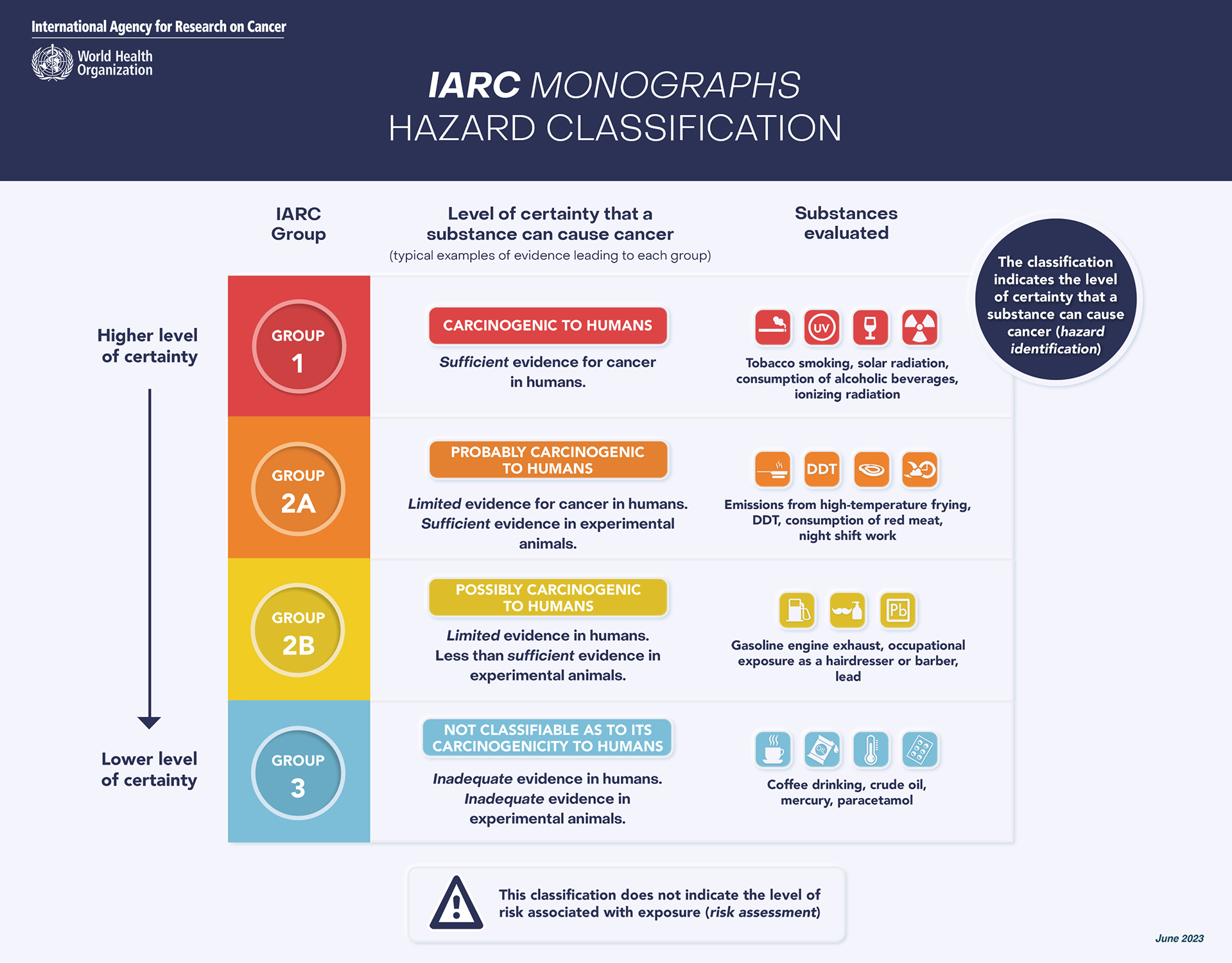
https://www.who.int/news/item/14-07-2023-aspartame-hazard-and-risk-assessment-results-released
“Assessments of the health impacts of the non-sugar sweetener aspartame are released today by the International Agency for Research on Cancer (IARC) and the World Health Organization (WHO) and the Food and Agriculture Organization (FAO) Joint Expert Committee on Food Additives (JECFA). Citing “limited evidence” for carcinogenicity in humans, IARC classified aspartame as possibly carcinogenic to humans (IARC Group 2B) and JECFA reaffirmed the acceptable daily intake of 40 mg/kg body weight…..”
Coverage via the Guardian - Aspartame a ‘possible carcinogen’ but safe to consume in moderation, WHO says “ Expert panels recommend that people should keep consumption of popular sweetener below 40mg/kg a day”.
Short coverage of this event from last week. “A major event was held at Chatham House on 6 July 2023, seeking to address serious issues in the funding of global health priorities. The event, ‘Decision-making in international health financing’ saw Chatham House draw on its unique network to convene 80 leading figures from organizations including the WHO, World Bank, universities, private sector, NGOs, think tanks, philanthropic organizations and governments. …”
PS: “…. Chatham House will shortly publish a framework for improving decision making for the international financing of global health priorities, and two case studies examining the experience of raising international finance for HIV and antimicrobial resistance. “
· For the one on HIV, see Securing political and financial support for the global HIV response “ A case study of the post-2000 surge in donor funding”.
Related tweet Kalypso Chalkidou: "Questions are beginning to arise as to when the sense of ‘emergency’ with regard to HIV should end, and how well HIV can continue to be funded amid newer or re-emerging priorities for global health – not least among them pandemic prevention, preparedness and response."
https://www.state.gov/globalcoalition/
“ On July 7, 2023, U.S. Secretary of State Antony Blinken hosted a virtual Ministerial-level meeting to launch a Global Coalition to address Synthetic Drug Threats.”
“…. Following establishment of the Global Coalition, the United States will initiate consultations with participating countries to establish priority actions and measures to confront synthetic drugs. Partners will collaborate in working groups to offer new solutions, drive national action, and advance combatting synthetic drugs as a policy priority. …. The Global Coalition will reconvene at the political level on the margins of high-level events, such as the 78th UN General Assembly and the March 2024 UN Commission on Narcotic Drugs (CND). These meetings will present further opportunities to share the Global Coalition’s work with a broader audience and support the advancement of international drug policy.”
· And via Politico:
PS: China wasn’t present.
“Representatives of each country that joined the U.S-led coalition will meet in person during the United Nations General Assembly in September to assess progress in three areas where the countries agreed to work together: preventing illicit drug manufacturing and trafficking, detecting new drug threats and promoting appropriate health responses……”
Analysis on Tuesday, ahead of the European Parliament’s vote on the appraisal of the Covid response in the EU.
“…. In Brussels, the European Parliament will vote tomorrow on its appraisal, which mostly avoids the hot-button controversies, … One exception: The report does come close to an outright condemnation of school closures, saying they hurt young people’s mental health and exacerbated inequalities. In the future, the report says, schools should stay open “if the epidemiological situation allows it.” At the same time: The report suggests greater coordination by EU countries on border controls, data-sharing, clinical trials, and joint procurement of drugs. Many of the document’s most concrete proposals center around making sure that the bloc has manufacturing capacity to avoid future shortages of medicines and medical products, after the pandemic exposed the fragility of the EU’s supply chains. …. Called out: While the EU was responsible for producing and delivering a huge amount of vaccines that also went to the developing world, “the EU has an excessive number of vaccines in relation to need,” the report says. It offers a damning assessment of the performance of the COVAX vaccine-sharing pool, which the EU backed, saying it “did not live up to the high expectations, accumulated delays and failed to meet [low and middle income country] needs.” On intellectual property rights, the report treads a careful line, acknowledging they are crucial to support private industry while recognizing “long-standing concerns over intellectual property rights and access to affordable medicines in low- and middle-income countries.””
Coverage of the vote (and report). With, specifically, on IP:
“…. Despite the initial agreement on most aspects of the file, there are certain topics that have created controversy during the committee’s work. Intellectual property (IP) rights were one of the points of friction between MEPs from different political groups. The report addresses the IP issue by underlining as legitimate policy measures, that governments can use to protect and promote public health, the flexibilities in the World Trade Organisation (WTO) agreement on Trade-Related Aspects of Intellectual Property Rights (TRIPS). The final text stresses that intellectual property protection can be an incentive for innovation and research across the globe and notes that this protection can be the basis for voluntary licensing agreements and know-how transfer and can therefore be an enabler of vaccine availability, despite amendments tabled by the S&D and the Greens to remove this paragraph. It also underlines that an indefinite TRIPS agreement waiver could pose challenges to research finance, in particular for researchers, investors, developers and clinical trials.”
“MEP Tilly Metz, shadow-rapporteur for the Greens on this file, told EURACTIV after the vote that the European Parliament has failed to address the most important lesson from the pandemic. “Thousands of deaths could have been avoided should we have shared IP rights and know-how effectively and earlier,” she said…..”
“The Cop28 chief has also urged the oil and gas industry to “step up its game” and scale up renewables investment.”
“The United Arab Emirates’ Cop28 will accelerate an energy transition that “phases down the use of fossil fuels”, its president-designate Sultan al Jaber said, raising expectations for the climate summit in Dubai. The remarks represent a slight shift in al Jaber’s position since his previous agenda-setting speech when he expressed support for the “phase out of fossil fuel emissions”, carving out a big role for carbon capture and storage technologies. The renewed rhetoric also inches him closer to the United Nations Secretary-General Antonio Guterres, who last month called on countries to phase out fossil fuels and “to leave oil, gas and coal in the ground where they belong”. But al Jaber has still stopped short of calling for a “phase out” or indicating the pace at which the phase down needs to happen. His remarks are closely watched as the Cop host plays an important part in shaping the direction of negotiations, putting together the draft texts that countries are asked to accept…..”
· See also an exclusive interview in the Guardian with Sultan Al Jaber (well worth reading): Phase down of fossil fuel inevitable and essential, says Cop28 president
“Sultan Al Jaber calls on world to up its renewable energy capacity and says oil and gas companies must be involved.” “The phase down of fossil fuels is “inevitable”, the president of the next UN climate summit has said, but can only happen when the world has ramped up its renewable energy capacity.”
“…. On Thursday, Al Jaber [will] lay out his plan for Cop28 before ministers from about 40 countries, including the EU, Canada, China and the G20 group of large developing economies, at a meeting in Brussels. The Cop28 plan is likely to include a target of tripling global renewable energy production, which the developed and developing world support. The global stocktake, which is the first assessment since the Paris agreement of 2015 of the progress countries have made towards emissions reduction, will also be a key focus, but the UAE has decided against “naming and shaming” countries that are falling behind. There will also be a strong emphasis on the “inclusivity” of Cop28, with plans for greater representation of youth groups, civil society, Indigenous people and women. However, another likely key part of Thursday’s plan could be more controversial, which is the inclusion of fossil fuel companies at the Cop28 talks….”
· And see the Guardian Explainer - What is the UAE Cop28 plan of climate action?
“Sultan Al Jaber has laid out his long-awaited strategy at a meeting in Brussels. Here’s what it covers.”
“The plan covers all the main aspects of climate action, based on the 2015 Paris agreement, now divided into what Al Jaber termed the four pillars, or four Fs: fast-tracking the transition to a low-CO2 world; fixing climate finance; focusing on people, lives and livelihoods; and full inclusivity….”
Concept note for a WHA resolution in 2024.
J Hickel; https://monthlyreview.org/2023/07/01/on-technology-and-degrowth/
“I want to address a problem that seems to arise repeatedly in public discussions about green growth and degrowth. Some prominent commentators seem to assume that the debate here is primarily about the question of technology, with green growth promoting technological solutions to the ecological crisis while degrowth promotes only economic and social solutions (and in the most egregious misrepresentations is cast as “anti-technology”). This narrative is inaccurate, and even a cursory review of the literature is enough to make this clear. In fact, degrowth scholarship embraces technological change and efficiency improvements, to the extent (crucially) that these are empirically feasible, ecologically coherent, and socially just. But it also recognizes that this alone will not be enough: economic and social transformations are also necessary, including a transition out of capitalism. The debate is therefore not primarily about technology, but about science, justice, and the structure of the economic system……”
“Governments have agreed to an improved set of climate goals for the shipping sector after climate vulnerable Pacific nations and trade-reliant emerging economies struck a compromise at talks in London.”
“…. At the International Maritime Organisation (IMO), they agreed that the sector will aim to cut emissions 20% between 2008 and 2030, 70% by 2040 and reach net zero “by or around, ie close to 2050”. The targets are less ambitious than those that international bodies including the Science Based Targets initiative (SBTi) consider compatible with limiting global warming to 1.5 degrees Celsius. While not legally binding, the agreement sends a signal to the industry on the direction of travel……”
L Kemp et al; https://www.pnas.org/doi/10.1073/pnas.2108146119
“….. We outline current knowledge about the likelihood of extreme climate change, discuss why understanding bad-to-worst cases is vital, articulate reasons for concern about catastrophic outcomes, define key terms, and put forward a research agenda. The proposed agenda covers four main questions: 1) What is the potential for climate change to drive mass extinction events? 2) What are the mechanisms that could result in human mass mortality and morbidity? 3) What are human societies' vulnerabilities to climate-triggered risk cascades, such as from conflict, political instability, and systemic financial risk? 4) How can these multiple strands of evidence—together with other global dangers—be usefully synthesized into an “integrated catastrophe assessment”? It is time for the scientific community to grapple with the challenge of better understanding catastrophic climate change.”
R van de Pas et al; https://human-resources-health.biomedcentral.com/articles/10.1186/s12960-023-00835-3
“The World Health Organization’s Global Strategy on Human Resources for Health: Workforce 2030 identified a projected shortfall of 18 million health workers by 2030, primarily in low- and middle-income countries. The need for investment was re-enforced by the 2016 report and recommendations of the United Nations High-Level Commission on Health Employment and Economic Growth. This exploratory policy tracing study has as objective to map and analyse investments by bilateral, multilateral and other development actors in human resources for health actions, programmes and health jobs more broadly since 2016. ….. The study follows an exploratory rapid review methodology, mapping and analysing the actions of four categories of development actors in implementing the ten recommendations of the United Nations High-Level Commission on Health Employment and Economic Growth. These four categories of actors include (A) bilateral agencies, (B) multilateral initiatives, (C) international financial institutions and (D) non-state actors. Analysing the data generated via this review, three trends can be observed…..”
https://peoples-health-dispatch.ghost.io/bulletin-54/?ref=peoples-health-dispatch-newsletter
“A recent report by the International Labour Organization (ILO) examines the working conditions of essential workers in areas such as food systems, retail, sanitation, and health. … ….In the health sector, workers have been protesting for safe staffing, safer workplaces, and better quality of care since the beginning of the pandemic. These requests have been echoed by health workers in both the public and private sectors. However, ILO data shows that workers in private facilities remain less unionized than their counterparts in the public sector. Considering that higher unionization rates have been associated with decreased infection and mortality rates during the pandemic, and recognizing that organized labor is more likely to efficiently support workers during strikes and other actions, the ILO data suggests that health workers in the private sector are more exposed to different forms of exploitation.”
· And a link: Global Health Unfiltered - Brain Drain of African Health Workers: The Good, the Bad, and the Ugly (by E S Chellunga et al)
“…. Interestingly, the focus tends to be more on the few who are leaving and less on the many who are staying. Government officials seem more willing to discuss the brain drain issues than focus on improving working conditions for those who are still in the country…”
https://www.stoptb.org/news/global-drug-facility-update-access-to-bedaquiline
“Following lengthy negotiations, Johnson & Johnson has granted Stop TB Partnership´s Global Drug Facility`s licenses that enable Global Drug Facility (GDF) to tender, procure, and supply generic versions of SIRTURO® (bedaquiline) for the majority of low-and middle-income countries, including countries where patents remain in effect. GDF has shared with the TB community important updates on plans to launch a global, competitive tender for bedaquiline by end July 2023. All bedaquiline suppliers that meet GDF`s quality criteria are eligible to participate in the GDF bedaquiline tender and have been briefed on the tender goals, processes, and timelines…..”
Related: MSF Access - TB medicine deal offers short-term solution, but J&J needs to do more for all affected countries
Read why. Cfr tweet: “too many countries remain excluded. J&J must do more & not enforce its secondary patents on Bdq.”
https://punchng.com/why-nigeria-was-excluded-from-malaria-vaccine-allocation-says-gavi/
“Fresh facts have emerged on why Nigeria was excluded from the allocation of the 18 million doses of the first-ever RTS,S/AS01 malaria vaccine from 2023 to 2025. Sunday PUNCH gathered that Nigeria’s refusal to meet the deadline for the second window application in January disqualified it from getting allocation….”
See also a Lancet World Report - 12 countries to get first doses of malaria vaccine
S Lynch et al; https://oneill.law.georgetown.edu/publications/global-diagnostics-facility/
“…. we propose establishing a Global Diagnostics Facility (GDxF). Our GDxF model aims to stimulate local production of diagnostics in low and middle-income countries by leveraging demand across platforms, pathologies, and countries. This approach could attract diverse suppliers, facilitate market access for manufacturers (including smaller enterprises), and contribute to a stable supply, fair pricing, and pro-access licensing. A detailed proposal on the structure, functions, and benefits of GDxF is below….”
https://globalhealth5050.org/2023-report/
Brand new report. Check out also the Gender & Health Index.
Coverage via the Guardian - ‘Miscarriage? Take sick leave’: global health organisations are failing their female staff
“Damning report also finds sexual and reproductive rights under threat from a ‘global backslide’ and opposition to gender equality.”
“Global organisations that specialise in sexual and reproductive health and rights (SRHR) are neglecting the wellbeing of their own female staff, according to a damning new report. The Global Health 50/50 campaign, which works for gender equality in global health, found that only one of 197 organisations it studied had workplace policies for menstruation, menopause, fertility treatments, abortion and parental leave. The report, published on Wednesday, said 29 of the organisations allowed women to use their sick leave for reproductive needs and called for alternatives to women having to use sick leave. …..…. The report highlighted that only 18 organisations provided full maternal health benefits to staff who had suffered a miscarriage or stillbirth. It also said there was a lack of domestic violence policies, with just 21 organisations having policies in place to support their employees….”
“….The report, which called for more leadership from global health organisations, more legal action was needed to guarantee SRHR, but this had been made more difficult amid a “global backslide” and a “rising, well-funded and active opposition to goals of gender equality”….”
https://www.thelancet.com/journals/lancet/article/PIIS0140-6736(23)01290-4/fulltext
“…. The need for a new overview to guide ambitious solutions in such a complex global challenge is clear. Since 2019, the evidence about ecosystems stress, diet-related ill health, inequalities in food consumption patterns within and between countries, and disrupted food supplies underscore the need for better integrated policy-relevant understanding and action on food systems for both people and planet. In this context, the new EAT–Lancet Commission 2.0 will review the latest evidence on how to define and quantify a healthy reference diet and assess whether and how diets globally contribute to meeting health targets, while making healthy food accessible to all—produced, processed, distributed, and consumed fairly within planetary boundaries. Guided by this ambition, this Commission will also focus on equity and justice…..”
PS: “….The EAT–Lancet Commission 2.0 is made possible by the generous support of the IKEA Foundation (grant G-2208-02190); the Rockefeller Foundation (grant 2022 FOD 007); the Children's Investment Fund Foundation (grant 2207-07799), and the Wellcome Trust (grant 223758/Z/21/Z). We acknowledge the additional support provided by the Cornell Atkinson Center for Sustainability, The Canadian Institutes of Health Research, The Columbia Climate School, and the Villars Institute. …”
https://www.thelancet.com/commissions/sickle-cell-disease
“…. This Lancet Haematology Commission—a diverse group of experts in sickle cell disease, along with patients and activists—was established to devise a set of recommendations to achieve greater political commitment, investment, and partnerships to improve the lives of patients with sickle cell disease globally in the next decades. The Commission arrives at a unique moment to be transformational for the sickle cell disease community by galvanising key regional initiatives. With political will, education, and effective collaboration between all stakeholders, positive change can be attained. The path to achieve safe and accessible cures globally by 2040, as set out in this report, should be a priority of the development agenda in the next decade.”
· In a related op-ed: Stat - Sickle cell cures are coming. African children can’t be left behind (by J K Iyer)
Via Stat: “….A milestone for sickle cell disease treatment is nearly here, with two gene-based treatments expected to win regulatory approval this year. Yet for people enduring the debilitating blood disorder in sub-Saharan Africa, it will be a hollow victory. More than 60% of the 120 million people worldwide with this disease live in Africa, where 1,000 babies are born every day with two copies of the sickle hemoglobin gene that causes the disorder. For them, the gene therapy’s expected multimillion-dollar price tag will be far out of reach. Prices of this magnitude are unsustainable if gene therapy is to move beyond treating just a handful of patients, Jayasree Iyer, CEO of the Access to Medicine Foundation, writes in a STAT First Opinion. “Rolling out a new generation of sickle cell cures without a strategy to get them to those populations with the greatest need is not acceptable.”
D T Jumbam et al ; https://www.globalhealthunfiltered.com/blog/local-and-international-experts-in-global-health-whos-to-say
« ….In rejecting the “local expert” label, researchers in LMICs are saying that they have had enough! They are in essence demanding to be seen as equals with researchers from institutions based in HICs. They want their expertise and experiences to be recognized and acknowledged in all spheres of global public health, from research ideation, funding, and publishing to implementation. They don’t just want to be consulted for their lived experiences by researchers in HICs when they are applying for research grants. They want to have equal opportunities for those research grants and be truly equitable partners with those from HICs. At decision-making tables, theirs is not just local input but rather expertise in the subject matter that should be taken on an equal or perhaps higher footing than those not based in those communities…..”
https://www.youtube.com/watch?v=CCgngCmgiXk
“Panelists from different parts of the world discussed their experience of how power manifests in research and policy engagements and what we as health economists can do to enable more equitable partnerships. Issues included the choice of topics for research funding, how research partnerships are designed and implemented, and how technical assistance for health policy is provided. Speakers were invited to offer bold approaches to promoting greater diversity and inclusion across the field of health economics research and its application to policy…..” With E Barasa & others.
https://www.ft.com/content/630464b0-c3c0-4f60-8a9e-c43cea54285b
Some analysis ahead of this week’s OECD meeting in Paris. “Groundbreaking rule change to scrap patchwork of national levies on tech giants waylaid by disputes, including in the US and India.”
“…. The world’s biggest economies are this week attempting to rescue a landmark OECD tax deal after difficulties over implementation threatened to scupper the push to make multinationals pay more tax where they operate. Representatives of more than 130 countries have gathered in the OECD’s Paris headquarters for three days of talks on applying a key part of a groundbreaking tax deal that has been beset with delays and problems over ratification. On the agenda is a change to global law that would allow countries to scrap the current patchwork of national levies on tech giants such as Google, Facebook and Amazon. Officials also hope a ban on so-called “digital services taxes” that is set to expire at the start of 2024 can be extended until a consensus on global reform is reached. Without an extension, trade wars are likely to ensue as countries go it alone in their attempts to recover more revenue from the world’s 100 largest multinationals that are covered by the deal. Negotiators hope to push back the ban to 2025 over fears that some countries will struggle to ratify the deal. Among them is the US, where many of the world’s largest tech firms are headquartered. A person close to negotiations said “the big political elephant in the room” was whether the US would be able to get Congress to approve any deal agreed at the OECD.”
“Renowned economists Joseph Stiglitz, Jayati Ghosh, Gabriel Zucman and other commissioners of the Independent Commission for the Reform of International Corporate Taxation (ICRICT) have called out the International Monetary Fund (IMF) for abusing its role in debt renegotiations to force countries to adopt OECD tax rules – rules that the IMF’s own research shows would further constrain the revenue-raising ability of these fiscally stressed countries, and rules that even OECD members are increasingly unlikely to implement. In an open letter to IMF head Kristalina Georgieva published today, the commissioners highlighted the IMF’s “alarming” and “unacceptable” treatment of Sri Lanka in current debt renegotiations…..”
“The attention on Sri Lanka being coerced to accept OECD proposals follows a weekend of turmoil for the OECD after the Financial Times confirmed reports from CICTAR and the Tax Justice Network that the OECD heavily lobbied Australia to weaken breakthrough measures against corporate tax abuse. The OECD was forced to release an unprecedented statement late Saturday evening in response. ICRICT’s open letter and the Financial Times’ reporting are increasing public attention on the undemocratic ways in which international tax rules are set under OECD tax leadership ahead of a vote at the UN General Assembly this winter that could see leadership over global tax move from the OECD to the UN…..”
FT;
Analysis after the meeting. “Countries agree another 18 months to pass global measures on levies aimed at big tech — though Canada balks.”
“ More than 130 nations have extended a controversial ban on taxes aimed at corporate technology giants by another year to 2025, as they wrestle to introduce landmark measures that update the international tax system for the digital age. After three days of talks at the OECD’s Paris headquarters, most of the countries approved a statement that unveiled fresh details on plans to make the world’s largest 100 companies pay more tax where they do business. They also agreed to put on ice plans to introduce national digital services taxes for another 12 months to make more time to ratify a breakthrough global tax deal that they signed up to in the autumn of 2021 but have yet to pass. The introduction of a range of digital services taxes would be an obstacle to ratifying the deal, as having a patchwork of national measures would defeat the purpose of agreeing a co-ordinated global fix…..” “However, five countries, including Canada, refused to approve the extension.”
“… the talks have focused on how to implement a key plank of the global tax deal. “Pillar I” would lead to the redistribution of $200bn-worth of profits a year from multinationals to countries where sales are made, and requires a change in global tax law. ….”
“…. The countries, meanwhile, also agreed steps designed to ensure the deal is passed in most jurisdictions even if it is not ratified in all countries taking part in the negotiations. The US’s polarised politics make it unlikely it will be able to ratify the deal in Congress, where changes to tax treaties require a two-thirds majority in the Senate; the chamber is currently split 51 to 49 in favour of the Democrats. However, under measures agreed this week, the treaty would only need to be signed by 30 jurisdictions, as long as they account for a minimum of 60 per cent of the 100 companies affected by the changes. The countries would need to sign by the end of 2023.”
See also an OECD press release - 138 countries and jurisdictions agree historic milestone to implement global tax deal
https://www.thelancet.com/journals/lancet/article/PIIS0140-6736(23)01458-7/fulltext
“WHO is partnering with development banks to help support efforts to strengthen primary care in low-income and middle-income countries. Udani Samarasekera reports. Experts have welcomed a new funding mechanism to strengthen primary health-care services in low-income and middle-income countries, but say additional measures are needed to address current care challenges. “
“The Health Impact Investment Platform, launched by WHO and three multilateral development banks, will initially make US$1·5 billion available in concessional loans and grants to eligible countries, starting before the end of 2023. The funds will go towards expanding the reach and scope of primary health-care services, especially for the most vulnerable and underserved populations and communities. The loans will have favourable terms for the borrower such as repayment grace periods and below-market interest rates. …. … WHO's goal for the Platform is to support countries worldwide, but in the first phase the eligible low-income and middle-income countries will be from Africa, Asia, Latin America, and the Middle East. Countries will be agreed by the participating development banks, whose considerations will include those with the greatest need and whether there is willingness to join the effort.”
“The Platform's work has two pillars. Pillar 1's main roles include guiding investments according to gaps and needs and monitoring and reporting implementation….. Pillar 2 covers loans for large-scale investments…..”
“The use of digital technologies for health financing, as part of the broader domain of digital health, receives increased attention in policy, practice and research. However, so far, not much solid evidence exists on the effects of digital technologies in health financing on the universal health coverage (UHC) objectives. The purpose of this WHO guide is to support the generation of evidence on how digital technologies (positively or negatively) influence health financing functions and tasks, and how this may (or may not) contribute to progress towards the UHC goals. The ultimate objective is to inform the improvement of the design and implementation of a digital technology in order to optimize the impact on health financing and UHC.”
And a link:
· Lancet Perspective - Githinji Gitahi: advocating for universal health coverage in Africa
“Githinji Gitahi is Group Chief Executive Officer of Amref Health Africa, the largest African-led non-governmental organisation (NGO) delivering health programmes across Africa….” “He is also Co-Chair of the Strategic Advocacy Committee for PMNCH, a member of the African Union Commission on Africa's COVID-19 Response, and a Board member of the Africa Centres for Disease Control and Prevention (Africa CDC) and the Coalition for Epidemic Preparedness Innovations….”
https://www.thelancet.com/journals/landia/article/PIIS2213-8587(23)00199-7/fulltext
“The theme of this year's World Population Day, observed annually on July 11, is “unleashing the power of gender equality.” …. Despite worldwide recognition of the link between gender equality and improved health outcomes, gender disparities continue to persist on a global scale. Of increasing concern is the fact that older women are often overlooked in the pursuit of gender equality…..”
“….Only by recognising and addressing the emotional and health needs of older women, can one fully unleash the power of gender equality.”
The 2023 edition of the annual State of Food Security and Nutrition in the World report shows a world gripped by a widespread and urgent food crisis.
« Covid pandemic and Ukraine war add to widespread crisis with one in nine people in the world facing severe food insecurity in 2022. »
“The number of people going hungry in the world has risen by 122 million to 735 million since 2019 because of the Covid-19 pandemic and the war in Ukraine, the UN has said. If current trends continue, almost 600 million people will be chronically undernourished by 2030 – about 119 million more than if neither of these events had happened, a new report has found. While the numbers of people facing hunger globally have stabilised after increasing sharply from 2019 to 2020, hunger is still on the rise in western Asia, the Caribbean and across Africa, according to the report released by the Food and Agriculture Organiszation (FAO) and four other UN bodies on Wednesday.”
· Related: Lancet World Report - Lack of global leadership on nutrition “unforgivable”
“Calls mount to prioritise nutrition as UN reports that 735 million people face hunger. John Zarocostas reports from Geneva.”
“…. The findings also pose challenges ahead for global health, especially in reducing child malnutrition. …. Jessica Fanzo, Professor of Climate at the Columbia Climate School, told The Lancet, “The question is why is nutrition not prioritized in the global development agenda? Why is it OK that we still see these massive numbers of hungry people? Why is that acceptable? Why has food nutrition been deprioritized for decades?” The key requirement, she said, is to integrate food governance and food policy into the climate change agenda where “food has not been central” and she argues that the health community could be much more vocal in integrating nutrition. “Global health is pretty fantastic on infectious diseases. It would be great for nutrition to be more integrated.””
https://www.independent.co.uk/climate-change/news/g20-india-climate-change-debt-b2372158.html
“Debt-stricken nations that are also highly vulnerable to the climate crisis have paid a staggering $50bn (£39bn) to G20 creditors since the onset of the Covid-19 pandemic, according to a new report. The analysis, conducted by the International Institute for Environment and Development (IIED), sheds light on the financial burden faced by the world's poorest and most climate-vulnerable countries, as they grapple with repaying debts to the 20 richest nations of the world. The report, based on the latest data from the World Bank, comes ahead of the upcoming meeting of G20 finance ministers and central bank governors in Gandhinagar, India…..”
Emilie Tant et al; https://odi.org/en/insights/lgbtqi-rights-are-not-just-for-pride-month/
“Almost half a century ago, the Stonewall uprising at a New York gay bar, a spontaneous act of resistance against police brutality, marked a turn in the fight for LGBTQI+ equality. This moment, in June 1969, sparked a movement, now celebrated yearly in a month-long commemoration known as Pride. But while global corporations (many of which have been revealed to fund anti-LGBTQI+ legislators) take down their rainbow-flag logos at the end of June, queer people around the world continue to face an increasingly hostile environment within which they must struggle for survival and dignity…..”
“….Women’s and LGBTQI+ rights are a global litmus test of democracy. Democracy depends on defending these rights beyond the fleeting celebrations of Pride, and while critical in pushing the movement forward, individual allyship and action alone cannot effectively counter an emboldened anti-rights movement – unless supported by more systemic responses. Below we outline three key areas for action: promoting feminist foreign policy, responding to LGBTQI+ rights in crises and countering fear-based narratives…..”
https://www.bmj.com/content/382/bmj.p1540
“….Doctors should help to dispel the fog of ignorance surrounding the immediate risks to humanity and should join organisations actively campaigning for nuclear de-escalation through the United Nations. These include Medact, Physicians for Social Responsibility, and the International Campaign Against Nuclear Weapons. Denial, avoidance, or fatalism won’t make these terrifying risks go away; political action may. It is the world’s most urgent priority.”
“Civil society organizations highlight the essential role of traditional, complementary and integrative health in addressing global health challenges, and opportunities for its integration into health systems. …. WHO Director-General, Dr Tedros Adhanom Ghebreyesus and a group of WHO senior officials met with representatives of civil society on 3 July, to discuss their priorities on traditional, complementary and integrative medicine, in the lead up to the WHO Traditional Medicine Global Summit on 17 and 18 August 2023 in Gandhinagar, Gujarat, India.”
“The virtual dialogue was coordinated by the People's Declaration for Traditional, Complementary and Integrative Healthcare, a worldwide civil society coalition of users and practitioners of traditional, complementary and integrative healthcare. Representatives of more than 300 civil society organisations (CSOs) and over 600 people were in attendance, bringing the full force of the knowledge and expertise on traditional, complementary and integrative health (TCIH) to the forefront…..”
“On Sunday, June 25, 2023, the Steering Council of the People's Health Movement (PHM) held an extraordinary meeting to discuss the latest developments in the preparations for the Fifth People's Health Assembly (PHA5), which had previously been decided to be held in Colombia on December 4-8, 2023. During the meeting, the PHM Steering Council decided: 1. To suspend preparations to host PHA5 in Colombia. 2. To re-examine the proposals previously received from other PHM circles to host the Assembly, while granting a limited period of time (two weeks) to acquire other proposals from Latin America. 3. Consider postponing the Assembly until March or April 2024, if requested by the new PHM circle host, in order to allow more time for adequate preparations.”
“The First Latin American Conference on Building and Strengthening Inclusive and Sustainable Universal Health Systems organized by Cebes - Brazilian Center for Health Studies, the Brazilian Ministry of Health and PAHO - Pan American Health Organization, held in Brasilia, Brazil, between June 30 and July 1, 2023, was attended by organizations such as ALAMES, Clacso - Latin American Social Sciences Council and the People's Health Movement PHM, among others, and delegations from Mexico, Dominican Republic, Venezuela, Colombia, Ecuador, Bolivia, Argentina, Uruguay, Paraguay and Brazil. …. Agenda for transformation towards the conquest of the universal right to social welfare and health in Latin America …. The participants of the Latin American Conference on the Construction and Strengthening of Universal, Inclusive and Sustainable Health Systems approve the following declaration, presenting an agenda of transformations to achieve the universal right to social security and health in Latin America:….”
On the GDI conference in Beijing.
“China will undertake 11 new foreign development projects – including for infrastructure, such as power plants, a community hospital and public transport – co-funded by receiving countries under the Global Development Initiative (GDI), top diplomat Wang Yi announced on Monday. Funding for the projects will also come from China’s foreign aid agency, and will involve resources from the private sector, and social and international organisations, he said, as Beijing continues efforts to court developing countries and pitches itself as a champion for global development.”
“The GDI, launched by President Xi Jinping in 2021, seeks to contribute to making progress on the United Nations’ 2030 Agenda for Sustainable Development. … Chinese officials have said that more than 100 countries and international organisations have expressed support for the GDI, which is seen as complementary to the decade-old Belt and Road Initiative (BRI) that has resulted in more than US$1 trillion (S$1.35 trillion) of infrastructure projects overseas to date.”
“…. The one-day event was organised by Cidca, which coordinates the country’s foreign aid efforts. It was attended by Chinese officials, foreign leaders and representatives from international and non-governmental organisations, such as the Bill & Melinda Gates Foundation. Topics discussed at the event – officially called the First High-Level Conference of the Forum on Global Action for Shared Development – include how poorer countries can gain a bigger share of financing for green projects, and ways to reduce poverty…..”
· Related – China hosts high-level conference on Global Development Initiative
“The first high-level conference of the Forum on Global Action for Shared Development, hosted by the China International Development Cooperation Agency (CIDCA), opened in Beijing on Monday. Wang Yi, director of the Office of the Foreign Affairs Commission of the Communist Party of China Central Committee, announced at the forum that China will take action in six areas to promote global development: supporting the development priority agenda, optimizing the cultivation of development projects, breaking the bottleneck of development financing, expanding development cooperation methods, strengthening tripartite development cooperation, and supporting youth to lead development.”
….The conference announced China's cooperation with Switzerland on malaria prevention and “control in Tanzania, with Germany on agriculture in Nigeria, and with the Bill & Gates Foundation on malaria prevention and control in countries in need…..”
H Eger; https://www.boell.de/en/2023/06/21/plea-feminist-global-health-policy
“Feminist approaches to global health policy have the potential to create more equal health systems. Considering and addressing power dynamics paves the way to tackle discrimination. More responsive health policies are expected to improve health for all.”
https://www.ifpma.org/news/global-biopharmaceutical-trade-body-announces-new-ceo-leadership-team/
“CEOs from Pfizer, Roche, and Daiichi Sankyo take up roles on IFPMA CEO leadership team.”
The global biopharmaceutical industry trade body, the International Federation of Pharmaceutical Manufacturers and Associations (IFPMA), has announced a new line up for their CEO leadership team for the coming two years. The CEOs who will provide strategic guidance to the organization include Albert Bourla, Chairman and Chief Executive Officer of Pfizer, who has been announced as the new President of IFPMA and will serve as the Chair of the IFPMA CEO Steering Committee. He will be joined by Vice-President Thomas Schinecker, CEO of Roche, who will serve alongside existing Vice-President, Sunao Manabe, Executive Chairperson and CEO of Daiichi Sankyo….”
https://www.wemos.org/en/the-collaborative-strategies-of-the-3gs
“Cordaid, N’weti and Wemos have published a policy brief titled “Together for stronger health systems”. The brief presents a comparative analysis that examines the coordination and alignment of three major global health initiatives: Gavi, the Vaccine Alliance (Gavi), the Global Financing Facility (GFF), and The Global Fund to fight AIDS, Tuberculosis, and Malaria (the Global Fund), collectively known as the 3Gs. The study focuses on three countries: the Democratic Republic of the Congo (DRC), Mozambique and Rwanda. It sheds light on the progress made and provides valuable recommendations for these initiatives and other development partners.”
C Lo & R van de Pas; https://www.chinakennisnetwerk.nl/publications/chinas-global-health-diplomacy-possibilities-and-limitations-cooperation
“….This report has been written for the Dutch Ministry of Health, Welfare and Sport and the Ministry of Foreign Affairs to understand the role of China in global health and explore viable policy options for the Netherlands to engage with China in global health. Based on the academic and professional expertise of the two researchers, an extensive desk-based literature review was conducted between October 2022 and April 2023. There are three main expected outcomes of the report….”
“Germany’s Federal Minister for Economic Cooperation and Development explains how feminist development policy contributes to making societies more equitable, resilient and stable.”
G Dancy et al ; American Political Science Review;
“Where is the human rights discourse most resonant? We use aggregated cross-national Google search data to test two divergent accounts of why human rights appeal to some populations but not others. The top-down model predicts that nationwide interest in human rights is attributable mainly to external factors such as foreign direct investment, transnational NGO campaigns, or international legalization, whereas the bottom-up model highlights the importance of internal factors such as economic growth and persistent repression. We find more evidence for the latter model: not only is interest in human rights more concentrated in the Global South, but the discourse is also most resonant where people face regular state violence. In drawing these inferences, this article confronts high-level debates over whether human rights will remain relevant in the future, and whether the discourse still animates counter-hegemonic modes of resistance. The answer to both questions, our research suggests, is “yes.””
“The World Bank on Monday named 15 chief executive officers including financiers and asset managers to a group launched by the lender's president, Ajay Banga, aiming to marshal more private capital to combat climate change and boost investment in developing countries. The "Private Sector Investment Lab" will begin work in the coming weeks, initially focusing on expanding financing for the transition to renewable energy and associated infrastructure, the bank said in a statement released at a climate meeting in Britain attended by U.S. President Joe Biden and King Charles…..”
“ As discussions on World Bank reform continue, the briefing makes six key recommendations in order to #RerouteTheRoadmap.”
“74 CSOs and individuals from around the world are calling on the World Bank to first assess its development effectiveness and the impact of its private sector-first approach before designing its reform agenda….”
The briefing makes six key recommendations: “Commission an external and independent review of the World Bank Group’s development effectiveness; Invert the ‘private sector first” [or Cascade] approach, putting the public at the core of the World Bank’s efforts to support global public goods;
Develop and fund a human rights policy; Mainstream climate justice into the Bank’s operations;
Mainstream a gender lens into the Bank’s operations, extending the mandate of the upcoming Gender Strategy; Develop Better metrics for measuring – and policies to tackle – inequality.”
“African states formed a unified position on World Bank reforms that centers their needs on fighting poverty and hunger and pushes back against the more narrow demands of wealthy Western shareholders that focus on climate change and pandemics. A document, agreed upon by consensus and representing the common position of African states, argues that food security, water, and affordable energy are “global public goods,” and lays out concerns about financing the digital transformation. It was issued ahead of the 20 leading rich and developing nations, or G20, finance ministers’ meeting in India coming up next week. The move is the latest by African governments to gain more control over the reform process, which has been dominated by the likes of United States Treasury Secretary Janet Yellen. She has been laboring this year to create buy-in among lower-income nations for the efforts to use the Washington-based lender to tackle environmental concerns and global health…..”
· Finally, via Devex - A trillion little pieces
“Discussions on reforming the World Bank have typically centered on making the most of existing resources — U.S. Treasury Secretary Janet Yellen’s squeeze-the-lemon approach — and enticing more private sector investment, an even more obvious approach now that former Mastercard CEO Ajay Banga is in charge of the bank. But there’s one question looming quietly but large in the wings: Whether to give the bank more money, i.e., a capital increase. Many experts say wealthy shareholders will have to put up more if they want to stare down the twin challenges of poverty and climate change, but so far talk has focused on billions of additional dollars. Now, apparently, we’re talking trillions.”
“Nine experts, including former U.S. Treasury Secretary Lawrence Summers, were tasked by the Indian presidency of the Group of 20 leading economies to outline a road map for reforming institutions such as the World Bank. In a lengthy report obtained by my colleagues Vince Chadwick and Shabtai, the experts say that achieving the bank’s proposed “triple mandate” — eliminating extreme poverty, increasing shared prosperity, and boosting global public goods such as climate and pandemic prevention — will require an additional $3 trillion in available capital per year by 2030. “
“The experts’ report, which backs the ongoing reform efforts, also says multilateral development banks have to get better at drumming up private capital. “Today, MDBs only mobilise 0.6 dollars in private capital for each dollar they lend on their own account,” the G20 authors write. “They should aim to at least double this target.” …”
“High-level experts participated in a panel discussion at the Global Health Talk, where they debated recommendations for German policy-makers and parliamentarians on how to raise more funds for health at all levels: global, regional and national.”
P M Sahoo et al ; https://globalizationandhealth.biomedcentral.com/articles/10.1186/s12992-023-00947-4
« .... Except for India and Brazil, all of the BRICS countries show a long-term increase in per capita PPP health expenditure. Only India’s health expenditure is expected to decrease as a share of GDP after the completion of the SDG years. China accounts for the steepest rise in per capita expenditure until 2035, while Russia is expected to achieve the highest absolute values…..”
C Kurowski et al ; https://documents.worldbank.org/en/publication/documents-reports/documentdetail/099509107072332580/idu05a1944fe0c30e048e109a1c03c0808e3f6cf
New report written by the World Bank, the Norwegian Institute of Public Health, and the Bergen Centre on Ethics and Priority Setting. « The report offers decision support on fair processes for policy choices relating to health financing for universal health coverage (UHC). …”
· Related WB blog - Fair processes in health financing policies for universal health coverage
“The Open and Inclusive: Fair Processes for Financing Universal Health Coverage report makes a case that procedural fairness plays a critical role for countries committed to UHC because it can contribute to more equitable outcomes, strengthen the legitimacy of decision processes, build trust in authorities, and promote the sustainability of health financing reforms. To facilitate this, the report describes key health financing decisions —decisions, for example, with an impact on equity in service coverage and financial protection – where questions of procedural fairness need to be considered. It then derives three guiding principles for the assessment of procedural fairness: equality (e.g., in access to information, opportunities to express views and to influence decisions), impartiality (e.g., ensuring that vested interests do not unduly influence the decision), and consistency over time (e.g., rules and procedures for decision making are stable over time and predictable)….”
2 pager. With among others: “…. $34 billion Global Health portfolio in 2023 supporting 217 projects to strengthen health systems and improve health outcomes, especially for the poorest and most vulnerable. This includes $16.5 billion (48%) through the International Development Agency (IDA), our fund for the poorest countries…..”
Susan Engel et al ; https://www.tandfonline.com/doi/full/10.1080/09692290.2023.2229859
“….We studied the MDBs’ approaches to healthcare in India to evaluate whether the pandemic resulted in: (a) a re-evaluation of their healthcare models to ensure they were fit for a pandemic; (b) a business-as-usual approach; or (c) a disaster capitalism response exploiting the current socio-economic milieu to further neoliberalization processes. We found that the MDBs adopted an inadequate business-as-usual approach that is intensifying the financialization of healthcare in projects using interventions at the micro through to the macro level. This path dependent approach emphasizing multi-scalar financialization has long-term implications for human well-being. Further, we contend that MDB lending is deepening ‘debtfare’ through its healthcare and other support, a term Susanne Soederberg (Citation2014, p. 3) conceived to describe the way neoliberal states ‘mediate, normalise and discipline the monetised relations that inhabit the poverty industry.’
P Binyaruka, D Balabanova et al ; https://bmjopen.bmj.com/content/13/7/e068781.full
“This study documents and discusses the process of developing a DCE to inform policy measures aimed at addressing informal payments for healthcare in Tanzania.”
https://www.tandfonline.com/doi/full/10.1080/23288604.2023.2229062
By A Kalita et al.
J Gruber et al ; https://www.nber.org/system/files/working_papers/w31423/w31423.pdf
“The New Cooperative Medical Scheme (NCMS) rolled out in China from 2003-2008 provided insurance to 800 million rural Chinese. We combine aggregate mortality data with individual survey data, and identify the impact of the NCMS from program rollout and heterogeneity across areas in their rural share. We find that there was a significant decline in aggregate mortality, with the program saving more than one million lives per year at its peak, and explaining 78% of the entire increase in life expectancy in China over this period…..”
G20 leaders plan round-the-clock disease surveillance system (telegraph.co.uk)
Yes, yes, you’re allowed to think of Bill Haley now : )
Commission announces additional funding to boost preparedness for health threats – EURACTIV.com
“The European Commission and the European Investment Bank announced on Wednesday (12 July) the creation of the HERA Invest initiative, offering €100 million for innovative solutions to future health threats.”
“HERA Invest, a flagship initiative of the European Health Emergency Preparedness and Response Authority (HERA), will provide an additional €100 million to the InvestEU programme to support research and development (R&D) related to the top priority health threats, financed through the EU4Health programme…..”
Z Z Piracha et al ; https://jogh.org/2023/jogh-13-03034
« The newly-emerged Langya virus (LayV), classified as a henipavirus in the Paramyxoviridae family and closely related to the Mojianghenipavirus, has raised concerns among public health authorities worldwide. ….”
· And via Politico:
“Public health experts list bird flu among the diseases that could, under the wrong circumstances, cause the next pandemic. So a discovery by University of Glasgow researchers that a human gene, BTN3A3, provides protection against the disease offers hope for heading off a calamitous outbreak, POLITICO’s Carlo Martuscelli reports. They identified BTN3A3 after testing the effects of hundreds of different types of genes on avian virus replication. The researchers found the virus replicated more easily in human cells when BTN3A3 was silenced. Calculating risk: The discovery will help disease-monitoring agencies better assess the human — and pandemic — risk of a bird flu outbreak, said study leader Massimo Palmarini, the director of the University of Glasgow’s Centre for Virus Research.”
“Even so: The researchers, who published their results in the journal Nature, said that while we don’t yet understand all the mechanisms that block the spread of bird flu in humans, this gene is one piece of the puzzle. And certain outbreaks of avian influenza have mutations that allow the virus to sidestep the protection granted by BTN3A3. This was the case in a recent outbreak in a mink farm in Spain, where a BTN3A3-evading mutation was detected…..”
https://www.thelancet.com/issue/S2542-5196(23)X0007-2
Start with the Editorial - Empower women to grow
The Editorial concludes: “…. Agricultural, economic, and nutritional interventions that focus on empowering women farmers and cooperative groups can contribute to the intersecting goals of promoting women's rights, improving nutrition, and safeguarding the natural environment. However, political and cultural barriers need also to be addressed at the national scale. The UN Gender Social Norms Index 2023 report found that the prevalence of biased beliefs against women's leadership and decision making has not improved globally over the last 10 years. A good place to start in shifting these gender biases would be to recognise and reinforce women's land rights and to witness the fruits of those labours for the health of people and the land…..”
https://www.thelancet.com/series/climate-change-and-health
“This Series from eBioMedicine seeks to better understand interactions between climate change, air pollution, allergens, pathogens, chemical exposures and human health. ….”
“…. this year’s COP will for the first time feature something called the “global stocktake.” Established under the 2015 Paris Agreement, the global stocktake is a comprehensive review of how well the world has met the climate change challenge and is intended to chart out a detailed plan for future action — sector by sector. …. “The success of the global stocktake will ultimately determine the success of COP28,” wrote Simon Stiell, executive secretary of the U.N. Framework Convention on Climate Change. Success will also be essential to lower-income countries because the stocktake touches on issues particularly salient to them, from loss and damage to adaptation, food systems, and just transitions…..”
“Ireland and Sweden join countries calling for moratorium on extraction of metals from seabed as UN-backed authority prepares for crucial talks.”
“The list of countries calling for a pause on deep-sea mining continued to grow this week ahead of a key moment that mining companies hope will launch the fledgling industry, and its opponents hope could clip its wings, perhaps for good. Ireland and Sweden became the latest developed economies to join critics, including scientists, environmental organisations and multinationals such as BMW, Volvo and Samsung. The carmakers have committed not to use minerals mined from the seabed in their electric vehicles. No deep-sea mining contracts have yet been authorised, but efforts by the industry and some states, including Norway, have accelerated the race to mine for metals in the planet’s last unexplored frontier…..”
https://www.nytimes.com/2023/07/10/climate/climate-change-extreme-weather.html
Also interesting for non-US citizens.
“And yet even as storms, fires and floods become increasingly frequent, climate change lives on the periphery for most voters. In a nation focused on inflation, political scandals and celebrity feuds, just 8 percent of Americans identified global warming as the most important issue facing the country, according to a recent NPR/PBS NewsHour/Marist poll. As climate disasters become more commonplace, they may be losing their shock value. A 2019 study concluded that people learn to accept extreme weather as normal in as little as two years. …. “This is not just a complicated issue, but it’s competing for attention in a dynamic, uncertain, complicated world,” said Anthony Leiserowitz, director of the Yale Program on Climate Change Communication…….”
“Global warming and drastic deforestation could dry out the Amazon rainforest faster and enforce the risk of keeping it downright fire-trapped. A new study published in Nature Communications Earth and Environment shows: Fire can be a decisive factor for a potential tipping of the Amazon rainforest, as it is capable of locking large parts of the Amazon in a treeless state. While naturally not occurring in rainforests, fire can play an increasing role once the forest is damaged, thinned or completely lost, up to a status where fire is the dominating driver of the ecosystem….”
https://news.un.org/en/story/2023/07/1138627
“Severe sand and dust storms (SDS) are becoming increasingly common, with UN climate experts attributing the rise to human-driven causes such as climate change and unsustainable farming practices. To combat this, the UN has designated 12 July its first-ever International Day of Combatting Sand and Dust Storms.”
https://journals.plos.org/climate/article?id=10.1371/journal.pclm.0000241
““Climate Obstruction” broadly refers to campaigns and other policy actions led by well-organized and financed networks of corporate and other actors who have actively sought to prevent global and/or national action on climate change over the past four decades. In turn, these campaigns often shape public debates, which can affect political support and collective mobilization to mitigate climate change. However, to date, most of the research on climate obstruction has focused on countries in the Global North, especially the United States. Given considerable gaps in research and knowledge, this opinion paper presents a future research agenda needs to shine greater light on if and in what form climate obstruction in the Global South appears.”
“The UK and Switzerland will see a 30% increase in the number of days of uncomfortably hot temperatures if the world heats by 2C, and are two of the countries which need to adapt the most for global heating, scientists have predicted. The research, published in Nature Sustainability on Thursday, found that while central Africa will see the most extreme temperatures overall, it is mostly northern European countries that will experience the greatest relative increases in uncomfortably hot days…..”
https://www.nature.com/articles/s41562-023-01615-8
“We present a panel dataset of COVID-19 vaccine policies, with data from 01 January 2020 for 185 countries and a number of subnational jurisdictions, reporting on vaccination prioritization plans, eligibility and availability, cost to the individual and mandatory vaccination policies. …. These indicators document a detailed picture of the unprecedented scale of international COVID-19 vaccination rollout and strategy, indicating which countries prioritized and vaccinated which groups, when and in what order. …. ….. Numerous patterns and trends begin to emerge. For example: ‘eliminator’ countries (those that aimed to prevent virus entry into the country and community transmission) tended to prioritize border workers and economic sectors, while ‘mitigator’ countries (those that aimed to reduce the impact of community transmission) tended to prioritize the elderly and healthcare sectors for the first COVID-19 vaccinations; high-income countries published prioritization plans and began vaccinations earlier than low- and middle-income countries. Fifty-five countries were found to have implemented at least one policy of mandatory vaccination…..”
https://www.nature.com/articles/s41467-023-39835-1
Related tweet Eddie Holmes:
“One of the bat coronaviruses described here from Yunnan province in China is a recombinant between SARS-1-like and SARS-2-like viruses. It has a receptor binding domain that is as close as any to SARS-CoV-2.”
“As two coauthors defend their work, [US] House hearing provides latest partisan battleground for debate over how coronavirus emerged.”
“….The hearing touched on a greatest hits of lab-leak possibilities, including potential biosecurity shortcomings at the WIV, miners in China who developed a mysterious respiratory illness in 2012, the role of the Chinese military at WIV, research with pangolins that took place there, and the failure to find an animal infected with SARS-CoV-2 prior to the outbreak surfacing. ….” 😊
https://www.theguardian.com/global-development/2023/jul/13/long-covid-global-south-lack-awareness
“As research focuses on richer parts of world, people in less developed countries suffer from lack of awareness and support.”
“….The Guardian interviewed people suffering from long Covid in Bolivia, Kenya and India, all of whom had to go to great lengths to find their own diagnoses and treatments….”
D Altman et al ; https://www.nature.com/articles/s41577-023-00904-7
Review article.
https://www.nature.com/articles/d41586-023-02269-2
“The first genome-wide search for long-COVID risk factors could pave the way for larger studies.”
“Future pandemic responses to restrict new infections need to be better balanced with allowing people to earn a living, say researchers, in a new report on the impacts of Covid-19. Published by the Chronic Poverty Advisory Network (CPAN), based at the Institute of Development Studies, the report details the widespread and long-term impacts of Covid-19 restrictions on the poorest people around the world…..”
https://www.cidrap.umn.edu/covid-19/study-spotlights-personal-health-system-impact-long-covid
“A new 12-study meta-analysis outlining the impact of post–COVID-19 condition (PCC), or long COVID, shows substantial functional, daily activity limitation to patients as well as high use of multiple healthcare services. The study is published in JAMA Health Forum. A second new study highlights the most common long-COVID symptoms in kids…..”
J K Sempungu et al ; https://www.tandfonline.com/doi/full/10.1080/17441692.2023.2229892
« …. The association between reductions in malaria burden and increases in DAH and in governance scores shows the need for accelerated funding of malaria programs and advocacy for better disease governance in malaria-endemic countries.”
https://gh.bmj.com/content/8/7/e011526
by A Levin et al.
https://journals.plos.org/plosmedicine/article?id=10.1371/journal.pmed.1004252
By A Portnoy et al.
Stat;
“Takeda is voluntarily withdrawing its application to the FDA for approval of its dengue vaccine, throwing into question whether it will be licensed in the U.S. Already approved in the E.U., the U.K., Brazil, Argentina, Indonesia, and Thailand, the vaccine protects against a disease nicknamed breakbone fever because of the painful infection it triggers. One other vaccine is licensed in the U.S., GSK’s Dengvaxia, but its use is restricted to children age 6 to 16 living in dengue-endemic areas — principally Puerto Rico — who’ve previously had a laboratory-confirmed case of dengue. …. Dengue is a challenging virus because infection with one of its four serotypes does not protect against infection by another. In some cases a previous exposure through infection or vaccination can lead to more serious disease later. Takeda said its decision was based on the FDA’s request for additional data. ….”
“Eliminating plants from local waters results in fewer schistosomiasis infections—and the removed vegetation can help local farmers.”
“Now, researchers have shown in a trial in Senegal that a simple intervention could reduce the risk of infection and break the resulting spiral of poverty and disease. When they removed from local rivers or lakes the aquatic plants that help the snails hosting the worms thrive, that slashed the rates of schistosomiasis, as the parasitic infection is known, in those villages. Local farmers benefited further by using the vegetation for fertilizer and animal feed. The study is a great example of a “win-win-win” scenario in public health, says Joanne Webster, a parasitologist at Imperial College London who studies schistosomiasis but wasn’t involved in the work. The intervention not only reduces parasite infections, but also provides financial benefits to farmers and reduces the impact of fertilizer on the environment…..”
https://www.thelancet.com/journals/lanplh/article/PIIS2542-5196(23)00128-6/fulltext
by D Wernli et al.
G M-Katz; https://www.statnews.com/2023/07/08/diet-coke-cancer-aspartame-who-world-health-organization/
“Good news for people who enjoy Diet Coke: The evidence for aspartame causing cancer really isn’t that compelling.”
https://news.un.org/en/story/2023/07/1138592
“Women and girls of African descent face a “systemic and historical pattern” of racial abuse in the health sector in countries across the world, leaving them at increased risk of death during childbirth, the UN’s sexual and reproductive health agency said on Wednesday.”
““The scourge of racism continues for Black women and girls in the Americas, many of whom are descendants of the victims of enslavement,” Natalia Kanem, Executive Director of the UN Population Fund (UNFPA), said in a news release. … … These findings are contained in the report Maternal Health of Women and Girls of African Descent in the Americas, developed in collaboration with the Pan American Health Organization, the National Birth Equity Collaborative, and UN agencies UNICEF and UN-Women…..”
“…. In the wider Americas region, where are there are an estimated 209 million people of African descent….”
https://www.devex.com/news/feminists-descend-on-kigali-for-women-deliver-105890
“The 2023 Women Deliver conference will bring together activists, youth, researchers, civil society, policymakers, nonprofit organizations, the private and philanthropic sector, and multilateral organizations to discuss topics ranging from abortion access, gender-based violence, the impact of the climate crisis on women and girls, and elevating the voices of adolescent girls. … And while it's a moment of convening for global feminists — it's also a stock take on the evolution of Women Deliver, the international non-profit hosting the conference. This follows a massive moment of reckoning after stories of racism, harassment, and its toxic culture were publicized three years ago.”
“…. The last time Women Deliver hosted its flagship conference was in 2019. This year’s meeting will also be the first on the African continent. Previous iterations were mainly held in cities in high-income countries such as Vancouver, Copenhagen, Washington D.C., and London…..”
C S Mibenge et al ; https://www.devex.com/news/sponsored/opinion-when-the-lens-of-vulnerability-limits-impact-105829
“…. Next week, in Kigali, Rwanda, ….. will join an estimated 6,000 people at the Women Deliver 2023 Conference. …. The Conference has five objectives, including reframing who leads by centering grassroots organizations, youth, communities facing systemic discrimination, advocates, and changemakers working on the ground…..”
PS: “….In their 2018 paper, Why Marginalization, Not Vulnerability, Can Best Identify People in Need of Special Medical and Nutrition Care, Alexis K. Walker, Ph.D., and Elizabeth L. Fox, Ph.D., argue that identifying marginalized groups as vulnerable can be inadequate and, at worst, stigmatizing and unfair. Health care interventions, including those addressing food insecurity, could benefit from considering the multiple layers of a person’s life that reflect social marginalization…..”
“A group of human rights organisations in Africa renewed their calls this week for the American multinational Intel Corporation to dismiss a senior employee over his alleged involvement in fanning the growing anti-LGBTQ+ sentiment in several countries, including Kenya and Uganda.
In a change.org petition, supported by more than a dozen organisations, the rights groups claim that Greg Slater, Intel’s vice-president of global regulatory affairs, has been “actively responsible for exporting, financing, and spreading hate, homophobia” on the continent for decades, through the American conservative organisation, Family Watch International. The activists accuse Family Watch International, which is run by Slater’s wife, Sharon, of lobbying high-ranking African leaders and lawmakers to block LGBTQ rights – allegations that have dogged the Slaters for years. The organisation is described as a “hate group” by the US civil rights group Southern Poverty Law Center…..”
E Ssegujia, F Ssengooba et al ;
https://globalizationandhealth.biomedcentral.com/articles/10.1186/s12992-023-00945-6
.”... we conducted this study to explore the impact of donor transition on the continuity of maternal and newborn health service provision at the sub-national level in Uganda between 2012 and 2021…..”
https://www.nytimes.com/2023/07/06/health/abortion-misoprostol.html
Based on this study - Effectiveness of Self-Managed Medication Abortion Between 9 and 16 Weeks of Gestation with respondents in in Argentina, Nigeria, and Southeast Asia.
C Clark et al ; https://www.tandfonline.com/doi/full/10.1080/26410397.2023.2214979
Early online article from a new themed issue on donor funding for SRHR advocacy. More to come, I guess. …. The issue will cover topics such as resources for feminist organizations, funding challenges for the trans movement, decolonisation of funding and more.
And finally, via Politico:
“The maternal mortality rate in the U.S. more than doubled over a 20-year period ending in 2019, according to a study published this week in the medical journal JAMA. From 1999 to 2019, the national maternal mortality rate, measured in deaths per 100,000 live births, went from 12.7 to 32.2, the study showed. ….”
G Scheidecker et al; https://anthrosource.onlinelibrary.wiley.com/doi/10.1111/etho.12379?utm_source=twitter&utm_medium=organic&HootpostID=aa50b61a-74f1-4078-8be5-0eb6530c9035&Profile=wileygeoanthro
“….Global ECD rests heavily on evidence claims about widespread cognitive, social, and emotional deficits in the global South and the benefits of changing parenting practices in order to optimize early childhood development. We challenge these claims on the grounds that the leading ECD literature excludes research from anthropology, cultural psychology, and related fields that could provide crucial insights about childrearing and children's development in the targeted communities. ….”
https://www.twn.my/title2/health.info/2023/hi230701.htm
“The African Group has exposed the alleged failings of the World Trade Organization’s TRIPS Agreement in combating the COVID-19 pandemic, underscoring the need for “policy space” in grappling with the unaddressed issues so as to ensure that the same mistakes are not repeated in future health emergencies, said people familiar with the development.”
“Under the overall rubric of WTO reforms as mandated by trade ministers in the Outcome Document of the WTO’s 12th ministerial conference (MC12) last June, the African Group has brought certain fundamental issues centering on “re-balancing” the WTO rules to the TRIPS negotiating table. As reported in SUNS #9819 dated 11 July 2023, the African Group seems to have turned the tables on a range of issues concerning industrialization and the “re-balancing” of the WTO rules to be decided at the WTO’s 13th ministerial conference (MC13), to be held in Abu Dhabi, in February 2024.”
“In a proposal (WT/GC/W/884), titled, “The Role of Transfer of Technology in Resilience Building: the TRIPS Agreement,” and circulated on 3 July, the African Group said that “existing mechanisms of technology transfer have not adequately boosted the productive capacities of developing countries in a broad-based fashion.” As opposed to changing the WTO rules in an attempt to do away with the principle of consensus-based decision- making and bringing in plurilateral negotiations as part of the WTO reforms proposed by the Northern countries, the African Group has raised some fundamental issues concerning “policy space for industrial development.” The group, comprising more than 50 developing countries, made the case for “re-balancing trade rules to promote industrialization and to address emerging challenges such as climate change, the concentration of production and digital industrialization”…..”
https://inews.co.uk/news/health/big-drug-firms-accused-ripping-off-nhs-excess-profits-2471226
“NHS England has spent £13bn on the most expensive treatments in the past 10 years with drug companies making up to £12.6bn through ‘extreme profiteering’, health campaigners say.”
“Some of the world’s largest pharmaceutical firms have been accused of “ripping off” the NHS by making billions of pounds in profit on just a handful of cancer and other drugs. NHS England has spent £13bn on the treatments in the past 10 years, with the drugs companies making up to £12.6bn through “extreme profiteering”, according to research by Global Justice Now, STOPAIDS, and Just Treatment. The health campaign groups said production of most of the 10 drugs named in their report are estimated to cost well below 10 per cent of the price charged to the NHS. “The excess profits described in this report represent mark-ups above the estimated cost price of the drugs plus a reasonable profit margin of up to 50 per cent,” the group’s Bitter Pills report states.”
“The Pan American Health Organization (PAHO) last week called on member states to strengthen their capacity to detect, manage, and prevent outbreaks of antimicrobial-resistant organisms linked to medical tourism. The warning comes in the wake of a multinational fungal meningitis outbreak linked to two private cosmetic surgery clinics in Mexico…..”
IAM;
(gated) “Complex web of mRNA patent litigation has now spread to Ireland”
K Mayra et al; https://journals.plos.org/globalpublichealth/article?id=10.1371/journal.pgph.0002034
“.... For compassionate workplaces to thrive, maternity care models, policies and environments need to be examined closely for factors that enhance or hinder this important aspect of healthcare. In this commentary, we discuss the importance of compassion ‘for’ midwives, as an essential, non-negotiable pre-requisite for compassion ‘by’ midwives.”….”
K Coales et al ; https://www.tandfonline.com/doi/full/10.1080/16549716.2023.2228112
Review article.
R Dangarembizi; The Conversation;
“…. I am a neurobiologist who has been studying fungal infections of the brain for 10 years. I was part of a team that recently published a review discussing the emergence, and re-emergence, of fungal infections in Africa, especially in sub-Saharan Africa. We conclude that Africa is suffering from a silent, but costly, epidemic of fungal infections. We found that the emergence of deadly fungal infections in the region is primarily driven by a high burden of HIV infections, lack of access to quality healthcare, and unavailability of effective antifungal drugs…..”
https://www.ft.com/content/48afd321-5323-449c-aacf-7562f38b2799
“Manipulation of brain signals advancing so fast it threatens human rights, warns UN body.”
https://www.ijhpm.com/article_4474.html
By P Cairney.
N Squires et al ; https://gh.bmj.com/content/8/7/e013136
“there has been renewed attention and focus on essential public health functions (EPHFs), with the WHO proposing a unified list of 12 fundamental activities in 2021 (box 1)….”
“…. Partnerships and collaborations are essential for operationalising the EPHFs. At the World Health Summit in Berlin in October 2022, WHO established a memorandum of understanding with the International Association of National Public Health Institutes (IANPHI), a network of over 110 institutions in 98 countries to collaborate in support of public health capacity development. As part of this collaboration, at a meeting held in Paris, 10– 12 May 2023, WHO’s Health Systems Resilience and EPHF Team consulted experts from IANPHI’s members from Bangladesh, Brazil, Canada, China, Japan, France, Germany, Norway, Pakistan, Sweden, UK and USA on how to operationalise the EPHFs. We, the participants of the Paris meeting, critically reviewed WHO technical guidance on the EPHFs including the unified list of 12 EPHFs (box 1) and an expanded list of subfunctions, public health services and enabling system inputs intended to support operationalisation….”
“Does the World Health Summit policy is to exclude CS from holding official side events? "Northern" NGOs can't afford E25,000 let alone southern groups. This is suitable for rich foundations/drug companies. Perhaps these are what @WorldHealthSmt want to hear from! @ahyder1”
“Which organisation can pay E25,000 for a side event? Not a normal CS .Certainly not one from the South. Fees should be nominal for northern based NGOs, free for the South- unless the @WorldHealthSmt is a money making event. Surely @WHO @DrTedros want to hear CS. @peoplesvaccine”
“Absolutely agree - @worldhealthsmt feels like the Davos of the health world. Are you able to change your policy so civil society can actively engage?”
“Civil society analysis of the latest #PPPR #HLM draft flags serious concerns, including: Weakened commitments to CSO engagement ; Complete absence of any reference to #HIV, TB, or Malaria ; Continued lack of ambition on equity and benefit sharing .”
“Sounds like strong forces at play manoeuvering pandemic preparedness from a compliance regime to an epistemic regime, where we can all argue about hygiene and infection prevention, instead of mandatory technology transfer for prevention, diagnostics and treatment. #PandemicTreaty”
“Western global health is like, "climate change threatens our health." No. Climate change is what happens when colonialism and extraction happens. Colonialism and extraction threatens your health and it's only now do you see it hitting you.”
“Sport has the power to inspire our kids to be active and healthy. @VicHealth is keen to ensure our Commonwealth Games and @Olympics are free from advertising or sponsorship for unhealthy food and sugary drinks, vaping and e-cigarette products, gambling and alcohol.”
“And I cannot help thinking that the new MCM is a way to keep the system as it is: Rich countries to secure products for pple before discovering other continents and pharma to maintain monopoly n maximise profit. Both are winners.. and will give charity to those Africans later on”
“The problem is that those Africans/others in the South are causing trouble refusing charity, demanding a voice, a fair share in medical technology & products, want to remove IP barriers so that they can manufacture the products. So let's go around INB and IHR and create MCM!”
“Exactly, and keep it within a normative & operational level at MCM rather than attaching any legal obligations that might have come thru INB & IHR… and push for status quo of WTO/WIPO governance”
“African Parliamentarians launching their first task force dedicated to #Domestic Resource Mobilisation for Health with @GFAN_Africa”
“"Dear friends, scientifically, this is not a #ClimateCrisis. We are now facing something deeper. Mass extinction. Air pollution. Undermining ecosystem functions. Really putting humanity’s future at risk. This is a #PlanetaryCrisis." — Professor @jrockstrom”
“These days, we hear a lot about “the new normal” and “the new abnormal.” But warming and extreme weather are not pulling us through a simple paradigm shift. It’s better described as the end of normal—never normal again.”